TransLink’s World Cup Surge: Ridership Hits 1-Million Mark, Rivaling Taylor Swift and Messi
Key Takeaways
- What happened
- Vancouver hosted its first FIFA World Cup match on Saturday, June 13, at BC Place, triggering a massive surge in public transit usage that rivaled the city's peak event days.
- Location
- The match occurred at BC Place.
- Key points
-
- The transit data from the Australia vs.
- Vancouver's first FIFA World Cup game took place.
- Vancouver's first FIFA World Cup game pushed transit ridership levels to heights not seen since…
- Local impact
- TransLink’s performance during the June 13 match is significant in the context of Vancouver’s history with major events. The 2010 Winter Olympics set a long-standing benchmark for transit usage in the region, and surpassing previous records for concerts and MLS matches indicates a shift in event scale. For Metro Vancouver buyers, sellers, developers and investors, watch financing cost, transaction pace, supply mix and policy expectations.
- Who should watch
- - Event-adjacent real estate near BC Place may see increased foot traffic and transient demand, but also higher congestion during tournament days.
Generating audio…


What Happened
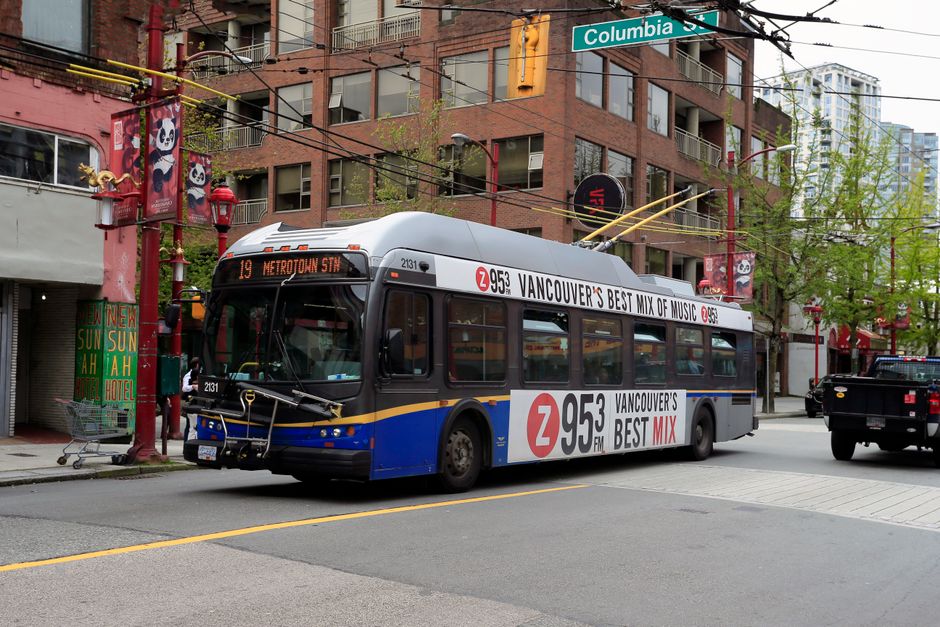
Vancouver hosted its first FIFA World Cup match on Saturday, June 13, at BC Place, triggering a massive surge in public transit usage that rivaled the city's peak event days. Transit authority TransLink reported that daily boardings exceeded one million, a figure approximately 14 percent higher than an average day. The entire system recorded more than 648,000 total daily trips, representing an 18 percent increase over the daily average. This ridership volume surpassed previous major event benchmarks, including Taylor Swift’s Eras Tour concerts and the Lionel Messi MLS match. The surge marks the highest Saturday ridership for a stadium event since the 2010 Winter Games.
Why It Matters
The transit data from the Australia vs. Turkey match provides a critical stress test for Metro Vancouver’s transportation infrastructure during large-scale international events. It demonstrates the system's capacity to handle massive influxes of visitors without collapsing, a key concern for future tournament logistics. The comparison to Taylor Swift and Messi highlights the unique scale of World Cup attendance, which often exceeds single-day concert or soccer figures. For residents, this surge underscores the dependency on public transit for major downtown events and the necessity of robust service planning to maintain reliability for everyday commuters during peak tournament days.
Local Vancouver / Burnaby Context
TransLink’s performance during the June 13 match is significant in the context of Vancouver’s history with major events. The 2010 Winter Olympics set a long-standing benchmark for transit usage in the region, and surpassing previous records for concerts and MLS matches indicates a shift in event scale. Local context suggests that while the system absorbed the load, the 14 to 18 percent spikes above average daily trips place immense pressure on capacity, particularly around BC Place. This aligns with broader discussions in local transit forums about the need for consistent weekend service improvements, as the World Cup demonstrated the potential for high-demand weekend travel patterns. The event also serves as a precursor to the remaining tournament games, testing the efficacy of TransLink’s tournament-scale transit plan unveiled earlier in the year.
Market Impact
The massive transit surge impacts the immediate liquidity and accessibility of the BC Place and downtown core. For event attendees, the high ridership confirms that public transit is the primary mode of access, influencing parking demand and last-mile connectivity needs. For the local economy, the influx of visitors supports hospitality and retail sectors but requires careful management of transit congestion to ensure smooth operations. The data also influences future event planning, as venues and promoters will look to these ridership numbers to gauge the viability of large-scale gatherings in the downtown peninsula.
Investor / Buyer Takeaway
- Event-adjacent real estate near BC Place may see increased foot traffic and transient demand, but also higher congestion during tournament days.
- Transit reliability during major events is a key factor for downtown condo livability; properties with strong transit access remain premium.
- Investors should monitor TransLink’s post-tournament service adjustments, as weekend frequency changes can impact long-term rental appeal.
- Buyers near major venues should consider the noise and congestion impacts of future large-scale events when evaluating property values.
- The data reinforces the importance of transit-oriented development in Vancouver, as event-driven ridership spikes highlight the region's transit dependency.
Builder / Developer Perspective
For builders and developers, the transit surge highlights the critical role of transportation infrastructure in enabling high-density event spaces. The ability of TransLink to handle 1 million boardings suggests that future developments near BC Place must integrate seamlessly with transit hubs to remain viable. Developers may also note the logistical challenges of moving large crowds, which can impact construction timelines and material delivery during tournament periods. The event serves as a case study for the necessity of transit capacity in supporting the downtown’s role as a global event destination.
Risk Factors
- Transit capacity limits during peak tournament days could lead to overcrowding and service delays if ridership exceeds projections.
- Increased wear and tear on the transit system from high-volume events may require accelerated maintenance schedules.
- Potential for resident frustration if weekend service adjustments for events negatively impact everyday commuter reliability.
- Safety and security risks associated with moving large crowds through dense urban corridors.
- Economic volatility if future events fail to replicate the ridership or economic impact of the World Cup.
BurnabyHouse Insight
The World Cup’s transit surge is more than a headline number; it is a validation of Vancouver’s transit resilience under extreme load. While the 1 million boardings are impressive, the real story is the system’s ability to maintain functionality during a peak event that dwarfed previous benchmarks like Taylor Swift and Messi. For BurnabyHouse readers, this underscores the importance of transit infrastructure in the region’s future growth. As Vancouver continues to host global events, the pressure on TransLink will only increase, making reliable weekend service and downtown connectivity critical factors in the city’s livability and economic competitiveness. The data also suggests that future event planning must prioritize transit integration to avoid the congestion pitfalls of the past.
Community
Questions, Answers & Comments
Ask a question, add context, or leave a comment. Public posts appear after review.
No public questions or comments yet. Be the first to ask.