Wall Street, TSX rise after interest rate worries fuelled a sell-off Friday
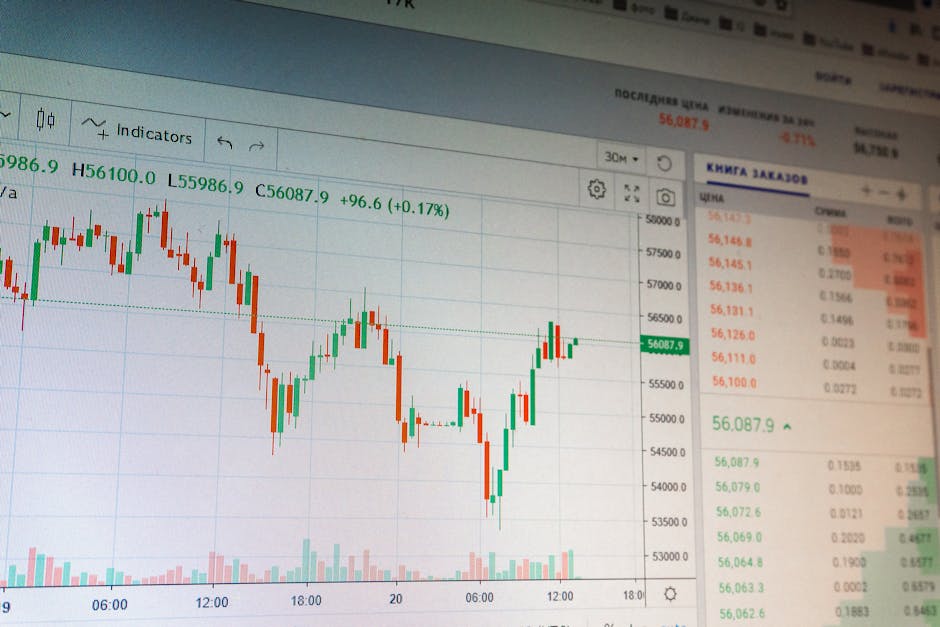
Start with reported facts, then read the Burnaby, Vancouver and BC real estate implications. BurnabyHouse separates facts, local context, buyer/investor takeaways and risk factors so commentary does not become reported fact.
What Happened
U.S. stocks moved to claw back steep losses on Monday after a sharp sell-off on Friday. The Friday session was identified as the U.S. stock market’s worst day since October. The pressure came as a sell-off in big technology companies weighed on the broader market. A strong jobs report boosted expectations that the Federal Reserve could be forced to hike interest rates at some point this year.
Those rate expectations were a central part of the market reaction, alongside volatility tied to technology shares. AI-related concerns were also part of the market backdrop, with Nvidia identified in relation to earnings expectations and AI concerns. The main markets identified were Wall Street and the TSX, the Toronto Stock Exchange.
On Bay Street, the TSX also started Monday in positive territory. Canada’s main stock index was up 0.7 per cent at the start of Monday trading. That followed a 2.3 per cent plunge on Friday. The Monday move therefore began as a partial rebound from the prior session rather than a clean reset of market sentiment.
Oil prices were higher due to fighting between Israel and Iran. That added another pressure point for investors already reacting to technology selling and interest-rate expectations. The immediate market picture was a rebound attempt shaped by three forces: big-tech weakness, expectations around the Federal Reserve, and higher oil prices tied to geopolitical conflict.
Why It Matters
For real-estate readers, the most important signal is not the daily direction of the TSX or Wall Street by itself. The bigger issue is that equity markets were reacting to the possibility of higher interest rates after a strong jobs report. Real estate is highly sensitive to borrowing costs, so even a market story centred on stocks can matter for mortgage qualification, renewal anxiety, investor confidence, and the pricing assumptions behind rental and development deals.
The Friday-to-Monday swing also shows how quickly sentiment can move when technology shares, oil prices, and rate expectations collide. Housing decisions are slower than stock trades, but they are not isolated from financial-market psychology. Buyers may become more cautious when rate fears rise; sellers may face more negotiation pressure if confidence weakens; and developers may have to revisit financing assumptions if lenders and investors become more defensive.
For Greater Vancouver, the practical takeaway is that volatility in public markets can spill into private real-estate behaviour through confidence and credit. A one-day rebound does not remove the underlying concern that stronger economic data can keep rate pressure alive. That matters in a region where many purchase and development decisions depend on monthly payment math, pre-sale confidence, and access to capital.
Local Vancouver / Burnaby Context
For Burnaby and Vancouver readers, this is best understood as a financing-and-confidence story rather than a direct local housing-policy change. The facts do not point to a new zoning rule, tax measure, development approval, or municipal program. The link to local real estate is indirect but important: when markets focus on possible Federal Reserve rate hikes, borrowers and investors tend to watch financing conditions more closely.
In a Greater Vancouver property context, that can affect both household and project-level decisions. A buyer considering a condo, townhouse, or detached home may become more conservative if rate expectations make future payments feel less certain. An investor evaluating a rental property may demand more margin before proceeding. A builder or developer may look harder at whether sales, rents, and financing terms still support a project budget.
BurnabyHouse readers should also separate short-term market noise from decision-grade information. The TSX starting Monday up 0.7 per cent after a 2.3 per cent Friday drop shows a partial rebound, not a full answer to where rates or risk appetite go next. For local housing participants, the useful question is whether volatility changes lender behaviour, buyer urgency, or investor return expectations over the next financing cycle.
Market Impact
The near-term real-estate impact is likely to show up through sentiment before it shows up through prices. If buyers read higher-rate expectations as a warning sign, they may pause, reduce budgets, or negotiate more aggressively. If sellers see equity markets stabilizing, they may resist price cuts, but Friday’s sell-off shows that confidence can shift quickly.
For the condo market, the main pressure point is affordability math. Higher expected rates can make monthly payments harder to justify, especially for buyers already stretching to qualify. For rental investors, the same pressure can raise the required yield or make leverage less attractive. For land and redevelopment, volatility can make feasibility reviews more conservative because financing costs, exit pricing, and buyer absorption all matter.
The TSX’s Monday rebound helps sentiment at the margin, but it does not erase the reason markets sold off on Friday. The combination of technology weakness, rate fears, and higher oil prices suggests investors are still dealing with multiple sources of uncertainty at once.
Investor / Buyer Takeaway
- Buyers should stress-test budgets against the possibility that rate expectations remain unsettled, rather than assuming Monday’s rebound means financing risk has passed.
- Sellers should watch buyer confidence closely; volatile markets can reduce urgency even when no local property rule has changed.
- Investors should revisit leverage assumptions, especially where returns depend on stable borrowing costs and predictable rental cash flow.
- Condo and pre-sale buyers should pay attention to deposit timing, financing approval conditions, and renewal exposure before committing.
- Cash-rich or low-leverage buyers may benefit if volatility makes other bidders more cautious, but patience and due diligence still matter.
Builder / Developer Perspective
For builders and developers, this market event does not operate through a direct land-use change. Its channel is capital. If rate expectations rise, debt becomes more difficult to underwrite and equity partners may demand a wider cushion before funding a project. That can affect whether a site is financially workable, how aggressively land can be bid, and whether a project needs stronger pre-sale or rental assumptions before moving forward.
The technology sell-off and oil-price pressure also matter because they can affect broader risk appetite. Development already requires long timelines and large upfront commitments. When public markets are swinging sharply, lenders and investors often become more selective. Even if local demand remains present, a project can still face feasibility pressure if financing costs, construction budgets, and sales assumptions stop lining up.
Risk Factors
- Interest-rate risk: expectations that the Federal Reserve could hike rates at some point this year may keep financing-sensitive buyers and investors cautious.
- Market-liquidity risk: sharp equity swings can reduce confidence and slow real-estate decision-making, even without a local policy change.
- Energy-cost and inflation pressure: higher oil prices tied to fighting between Israel and Iran add another uncertainty for investors watching costs and rates.
- Technology-sector sentiment risk: the Friday sell-off in big technology companies weighed on the broader market and may affect risk appetite.
- Financing-risk discipline: buyers, investors, and builders should avoid relying on a single rebound day when underwriting long-term property decisions.
BurnabyHouse Insight
The housing read-through is simple: this was not a Burnaby zoning story or a Vancouver project story, but it still matters because real estate runs on confidence and credit. A TSX bounce after a 2.3 per cent Friday drop may calm nerves temporarily, yet the forces behind the move—technology weakness, stronger rate-hike expectations, and higher oil prices—are exactly the kinds of signals that can make buyers, lenders, and developers more cautious. For local property decisions, the smartest move is to treat market volatility as a financing check, not a forecast.
Community
Questions, Answers & Comments
Ask a question, add context, or leave a comment. Public posts appear after review.
No public questions or comments yet. Be the first to ask.
Gary Gao | Principal Real Estate Advisor · Licensed Home Builder · Former Municipal Insider
Decoding Greater Vancouver Real Estate: Leveraging Zoning, Driven by Data
Q: “Why should Greater Vancouver buyers trust a multi-discipline advisor?”
A: “Having lived in Canada for 26 years, I am not just a witness to Metro Vancouver's urban evolution, but a decoder of its underlying wealth logic .”