Canada's TSX Hits Record High as Tech Rally and Wall Street Optimism Drive Gains
Key Takeaways
- What happened
- Canada's main stock index surged to a fresh record high on Monday, fueled by gains in technology stocks and positive sentiment from Wall Street.. The Toronto S&P/TSX composite index climbed 0.2% to 30,533.91 points, marking its seventh consecutive session of gains.
- Location
- Global markets / U.S. (indirect for Metro Vancouver)
- Key points
-
- The TSX's record-breaking performance signals strong investor confidence in Canada's technology…
- however, if the negative trend continues, it may force the central bank's hand, impacting…
- AMD announced a chip-supply partnership with OpenAI
- Local impact
- Macro data and market sentiment typically feed into rates, energy prices and financing expectations first, then into Canadian mortgage rates, development financing and Metro Vancouver housing supply, demand and pricing expectations.
- Who should watch
- ["Monitor the upcoming Canadian employment figures closely, as they will dictate the Bank of Canada's next interest rate move, which directly impacts mortgage affordability.", 'The tech sector rally, led by companies like AMD, suggests…


What Happened
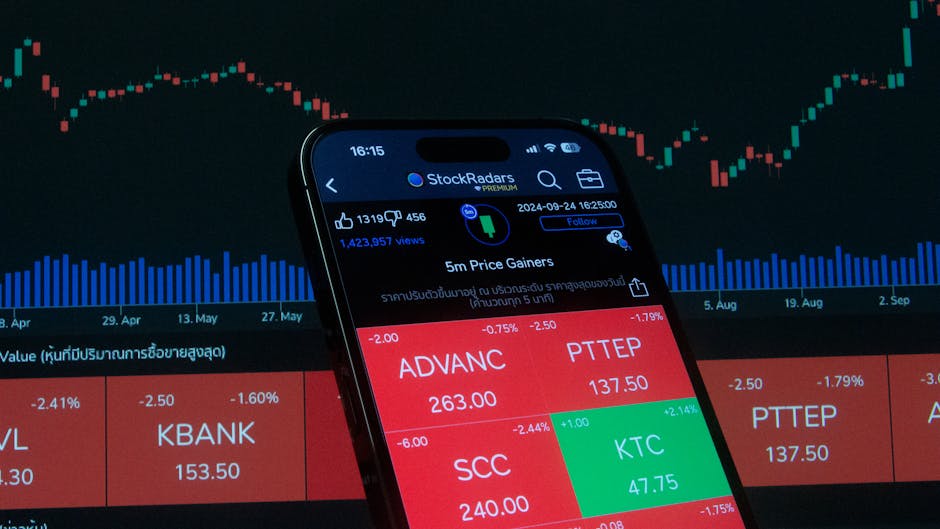
Canada's main stock index surged to a fresh record high on Monday, fueled by gains in technology stocks and positive sentiment from Wall Street. The Toronto S&P/TSX composite index climbed 0.2% to 30,533.91 points, marking its seventh consecutive session of gains. This bullish momentum built on a 2.4% gain from the previous week, with the TSX's information and technology sector adding 1% to the total. The rally mirrored Wall Street's performance, highlighting the interconnected nature of North American markets.
Specific corporate and commodity movements drove the broader index higher. Cryptocurrency miner Bitfarms soared 14.7%, while materials stocks added 1.4% and the energy sector rose 1.2% after oil prices increased about 1%. Gold prices also reached historic highs, benefiting from safe-haven demand and growing expectations for an interest rate cut at the U.S. Federal Reserve's October meeting. AMD announced a chip-supply partnership with OpenAI, further supporting the tech sector's momentum.
Investors are now closely watching upcoming Canadian employment figures, which are considered critically important given the deeply concerning job data from the past two months. Colin Cieszynski, chief market strategist at SIA Wealth Management, noted that the market is watching to see if there is a rebound or if the negative trend continues. These employment numbers will be interpreted through the lens of whether the Bank of Canada needs to implement further rate cuts. Meanwhile, the U.S. government shutdown has entered its sixth day, pausing some economic data releases.
Why It Matters
The TSX's record-breaking performance signals strong investor confidence in Canada's technology and resource sectors, which are key drivers of the national economy. The sustained rally, now on its seventh consecutive session, suggests that market participants are pricing in a favorable economic outlook despite recent labor market concerns. The performance of the information and technology sector specifically highlights the ongoing shift in market capitalization toward tech and AI-related stocks, a trend reinforced by AMD's strategic partnership with OpenAI.
For the broader economy, the market's focus on upcoming employment data underscores the sensitivity of financial conditions to labor market health. The expectation that the Bank of Canada may need to implement further rate cuts is a critical factor influencing current market valuations. If employment figures show a rebound, it could stabilize the loonie and support consumer spending; however, if the negative trend continues, it may force the central bank's hand, impacting mortgage rates and housing affordability across Canada. The historic highs in gold prices also reflect a degree of risk aversion among investors, suggesting that while equities are rallying, there is underlying caution regarding global economic stability and geopolitical tensions.
Local Vancouver / Burnaby Context
While the TSX's gains are a national indicator, the specific sectors driving the rally—technology and materials—have direct implications for the Greater Vancouver and Burnaby economies. Burnaby is home to a significant concentration of technology firms and logistics hubs that benefit from the broader tech sector's growth and the associated investment in infrastructure and digital services. The rise in materials stocks, including mining and forestry, often correlates with commodity prices that impact British Columbia's export-oriented industries.
The potential for further interest rate cuts by the Bank of Canada, which is currently being watched closely by investors, is a pivotal variable for the local housing market. Lower interest rates generally reduce borrowing costs for mortgages, which can stimulate demand in the Vancouver and Burnaby real estate markets. Conversely, if employment data remains weak, forcing rate cuts, it may also signal economic uncertainty that could dampen buyer confidence. The historic highs in gold and the safe-haven demand for precious metals often indicate a flight to safety among global investors, which can sometimes lead to capital flowing into tangible assets like real estate in stable markets like Greater Vancouver.
Additionally, the ongoing U.S. government shutdown, which has paused economic data releases, adds a layer of uncertainty to the cross-border economic relationship. As Vancouver and Burnaby are heavily integrated with the U.S. market through trade and investment, any disruption in U.S. economic reporting can create volatility that spills over into local financial conditions and investor sentiment. The local market's resilience in the face of these global headwinds will depend on how effectively the Bank of Canada manages monetary policy in response to both domestic labor data and external shocks.
Market Impact
The TSX's record high and the broader tech rally suggest a positive sentiment that can spill over into local investment portfolios, particularly for residents with significant exposure to Canadian equities. The potential for further Bank of Canada rate cuts, driven by weak employment data, could lower mortgage rates, making homeownership more accessible for buyers in Burnaby and Vancouver. However, the historic highs in gold and safe-haven demand indicate underlying market caution, which might lead to a more cautious approach among high-net-worth investors regarding speculative real estate purchases. The rise in energy and materials stocks may also impact local inflation expectations, influencing the cost of living and construction materials in the region.
Investor / Buyer Takeaway
Monitor the upcoming Canadian employment figures closely, as they will dictate the Bank of Canada's next interest rate move, which directly impacts mortgage affordability. - The tech sector rally, led by companies like AMD, suggests continued strength in the technology industry, which is a key employer in the Greater Vancouver area. - Historic gold prices indicate global economic uncertainty; consider diversifying investments beyond real estate and equities to mitigate risk. - Watch for the resolution of the U.S. government shutdown, as its impact on U.S. economic data could create volatility in cross-border investments. - For homebuyers, the potential for rate cuts could improve borrowing conditions, but weak labor data may signal broader economic headwinds that could affect property values.
Builder / Developer Perspective
The tech sector's strong performance and the potential for lower interest rates may improve financing conditions for developers, particularly those focused on technology-enabled housing or mixed-use projects. However, the underlying economic caution reflected in gold prices and weak employment data suggests that builders should remain vigilant about construction cost inflation and buyer demand sensitivity. The partnership between AMD and OpenAI highlights the ongoing demand for tech infrastructure, which could influence commercial real estate development in Burnaby and Vancouver.
Risk Factors
Weak Canadian employment data could force the Bank of Canada to cut rates more aggressively than expected, signaling economic weakness. - The ongoing U.S. government shutdown may delay critical economic data, creating uncertainty for cross-border investors and trade. - Global geopolitical tensions and safe-haven demand for gold indicate underlying market instability that could impact real estate liquidity. - Rising oil prices, despite the modest OPEC+ increase, could increase construction and operational costs for developers. - Potential further rate cuts by the Bank of Canada might stimulate housing demand but could also lead to longer-term inflationary pressures.
BurnabyHouse Insight
The TSX's record high is a notable milestone, but it masks the underlying tension between strong tech sector performance and weak labor market data. For Burnaby and Vancouver residents, the key takeaway is the potential for lower mortgage rates, which could provide a window of opportunity for buyers. However, the cautious sentiment reflected in gold prices and the impact of the U.S. government shutdown suggest that the market is not without risks. Investors should focus on the upcoming employment data as a critical indicator of the Bank of Canada's next move, which will ultimately determine the trajectory of both financial markets and real estate affordability in the region.
Community
Questions, Answers & Comments
Ask a question, add context, or leave a comment. Public posts appear after review.
No public questions or comments yet. Be the first to ask.