Second German company looks to secure LNG supply from B.C. Ksi Lisims project
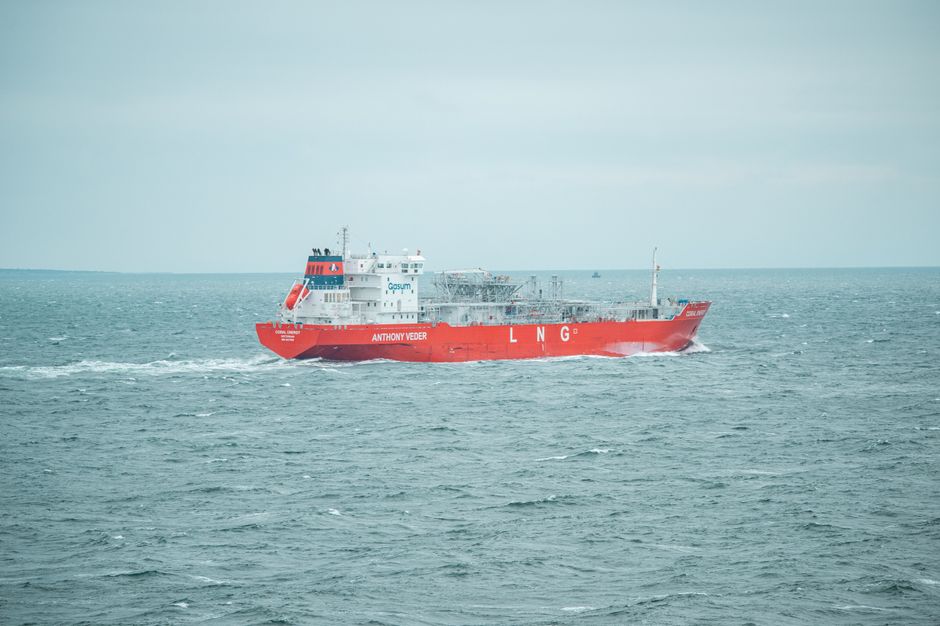
Start with reported facts, then read the Burnaby, Vancouver and BC real estate implications. BurnabyHouse separates facts, local context, buyer/investor takeaways and risk factors so commentary does not become reported fact.
What Happened
Uniper signed a letter of interest on Monday to buy LNG supply from the Ksi Lisims LNG project. The company is a German utility based in Duesseldorf, Germany. The proposed purchase amount is two million tonnes per year.
The supply would come from the Ksi Lisims LNG project on the northern British Columbia coast. The project is identified as a $10 billion LNG project. The verified project timeline includes a 2032 delivery start date.
Ksi Lisims LNG already has regulatory approval. However, the project partners have not yet made a final investment decision. That means the latest step is a commercial signal around future LNG offtake, not a final go-ahead for construction or operations.
The parties named in the agreement are Uniper and Ksi Lisims LNG. The practical change is that a German utility has expressed interest in securing a large annual volume of LNG from a B.C. project that is still awaiting its final investment decision. The immediate next step identified in the facts remains the unresolved final investment decision by the project partners.
Why It Matters
For real-estate readers, the direct subject is energy infrastructure rather than housing, but the signal still matters because large resource projects can shape broader confidence in British Columbia’s investment climate. A $10 billion project with regulatory approval and a potential buyer for two million tonnes per year is the kind of file that investors watch when judging whether major capital is still willing to move through B.C.’s approval, financing, and execution pipeline.
The housing connection is indirect. If a project of this scale advances, the effects would likely be felt first through industrial demand, employment expectations, construction capacity, and regional economic sentiment rather than through a simple change in condo or detached-home pricing. For Greater Vancouver owners and buyers, the relevant takeaway is not that a northern coast LNG letter will move local prices tomorrow, but that B.C.’s large-project pipeline remains part of the wider economic backdrop behind household income, migration decisions, business confidence, and government revenue expectations.
The unresolved final investment decision is the key caution. Regulatory approval and buyer interest reduce some uncertainty, but they do not eliminate execution risk. Until the partners decide whether to proceed, this remains a meaningful commercial development rather than a completed project milestone.
Local Vancouver / Burnaby Context
From a Burnaby and Greater Vancouver lens, this is best read as provincial economic context, not a neighbourhood housing announcement. Burnaby buyers, sellers, and small investors should separate direct local drivers—mortgage costs, listing supply, strata fees, municipal approvals, redevelopment rules, and rental policy—from broader B.C. industrial signals such as LNG demand. The two can interact over time, but they are not the same market force.
BurnabyHouse local market commentary has often focused on the difference between a real recovery signal and a potential trap for buyers. This LNG item fits that framework: it is a positive signal for a major B.C. project’s commercial prospects, but it is not yet a final investment decision and should not be treated as proof of immediate local housing demand. For a homeowner in Burnaby or Vancouver, the practical question is whether provincial economic momentum eventually supports jobs, confidence, and borrowing capacity—not whether one letter of interest changes today’s comparable sales.
There is also a construction-market angle. Major infrastructure and energy projects can compete for skilled labour, financing attention, and construction resources, while also supporting incomes in sectors linked to engineering, logistics, services, and project delivery. But without a final investment decision, local builders and buyers should treat those effects as possible background pressure rather than a confirmed cost or demand shock.
For Greater Vancouver, the most useful reading is disciplined: a German utility’s interest in B.C. LNG adds another data point on global demand for provincial energy infrastructure, while the local housing market still turns on affordability, credit conditions, land-use rules, household formation, and confidence at the neighbourhood level.
Market Impact
The near-term impact on Burnaby and Vancouver residential real estate is likely limited because the fact pattern is a letter of interest tied to future LNG supply, not a completed investment decision. Condo buyers, detached-home sellers, and small landlords should not price this as a direct local demand catalyst.
The medium-term relevance is sentiment and macro exposure. If the project eventually proceeds, it could contribute to broader B.C. economic confidence and support industries connected to major-project delivery. That kind of backdrop can matter for household stability and investor confidence, but it usually moves through the economy gradually and unevenly.
For land value and redevelopment feasibility in Greater Vancouver, the immediate variables remain much closer to home: financing terms, municipal process, achievable density, construction cost, buyer depth, and rental economics. This LNG signal is worth monitoring, but it does not replace site-level due diligence.
Investor / Buyer Takeaway
- Buyers should treat this as a provincial economic signal, not a reason to rush a Burnaby or Vancouver purchase.
- Sellers should not assume a northern B.C. LNG letter of interest immediately improves local resale demand or pricing power.
- Investors should watch whether the project partners make a final investment decision, because that is the key step separating commercial interest from project execution.
- Owners with exposure to B.C. employment and industrial cycles may benefit indirectly if major projects advance, but the timing and scale of any housing impact remain uncertain.
- Anyone underwriting redevelopment should keep the focus on local approvals, financing, construction costs, rental income, and buyer demand rather than broad resource-sector headlines alone.
Builder / Developer Perspective
For builders and developers in Greater Vancouver, the direct impact is limited at this stage because the known event is a letter of interest for LNG supply, not a confirmed construction start. The more relevant question is whether the Ksi Lisims LNG project reaches a final investment decision and then begins to draw capital, labour, and supplier attention within B.C.
If major industrial projects advance, developers may eventually feel indirect pressure through construction capacity and cost competition, while some households linked to the broader project economy may gain confidence. But those are second-order effects. A Burnaby infill builder, Vancouver condo developer, or rental proponent still has to solve the immediate feasibility stack: land basis, density, permit timing, financing, pre-sale or lease-up assumptions, and cost control.
Risk Factors
- Final investment decision risk: the project has regulatory approval, but the partners have not yet made the final investment decision.
- Timing risk: the verified delivery start date is 2032, so any economic impact would not be immediate.
- Execution risk: a $10 billion project can face complex financing, construction, and commercial-delivery challenges even after regulatory approval.
- Market-translation risk: buyer interest in LNG supply does not automatically translate into higher Greater Vancouver housing demand.
- Policy and regulatory risk: large energy projects remain exposed to changing public-policy, approval, and compliance environments.
BurnabyHouse Insight
The clean read for BurnabyHouse readers is that this is a meaningful B.C. investment signal, but not a local housing trigger. Uniper’s interest gives Ksi Lisims LNG another commercial datapoint, and the scale of the proposed annual purchase is substantial. Still, the unresolved final investment decision is the line between momentum and commitment. For Burnaby, Vancouver, and Greater Vancouver real-estate decisions, this belongs in the broader economic-confidence file—not in the same category as a zoning change, rate move, tax shift, or new local housing supply announcement.
Community
Questions, Answers & Comments
Ask a question, add context, or leave a comment. Public posts appear after review.
No public questions or comments yet. Be the first to ask.
Gary Gao | Principal Real Estate Advisor · Licensed Home Builder · Former Municipal Insider
Decoding Greater Vancouver Real Estate: Leveraging Zoning, Driven by Data
Q: “Why should Greater Vancouver buyers trust a multi-discipline advisor?”
A: “Having lived in Canada for 26 years, I am not just a witness to Metro Vancouver's urban evolution, but a decoder of its underlying wealth logic .”