Arson Finding at Okanagan Construction Site Sends a Risk Signal to BC Builders
Start with reported facts, then read the Burnaby, Vancouver and BC real estate implications. BurnabyHouse separates facts, local context, buyer/investor takeaways and risk factors so commentary does not become reported fact.
What Happened
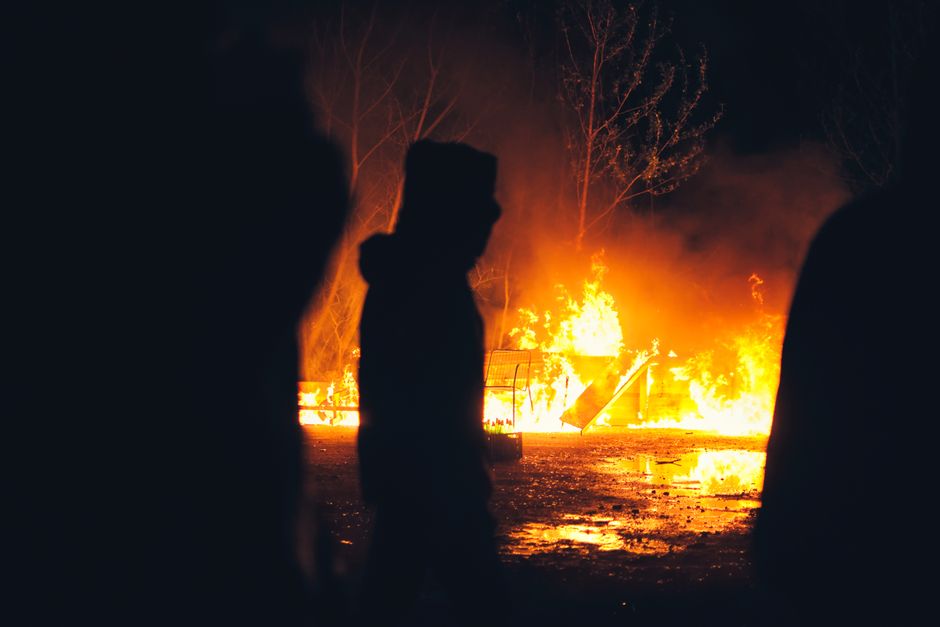
RCMP confirmed that a massive blaze at an Okanagan construction site was arson. The confirmation was reported on 2026-06-05. The affected site is identified as a construction site in the Okanagan. The fire is described in the verified record as a massive construction-site blaze.
RCMP are the public authority identified as confirming the nature of the fire. The key confirmed change is that the blaze was not left as an ordinary construction-site fire in the public record, but was confirmed as arson. The verified event also states that RCMP confirmed the fire was suspicious. No company, developer, individual owner, named project, or contractor is identified in the verified facts.
The incident matters to the real-estate and construction sector because the confirmed setting was an active construction site. A construction-site fire can affect partially built assets, site security, insurance handling, project scheduling, and lender confidence, depending on the circumstances. The verified facts do not identify a dollar loss, unit count, building type, or construction stage. The immediate confirmed public development is the RCMP confirmation that the massive Okanagan construction-site blaze was arson.
Why It Matters
For BC real-estate readers, the most important point is not just that a fire occurred, but that police confirmed arson at a construction site. Construction sites are exposed assets: materials, unfinished structures, temporary systems, equipment, and site access points can all be vulnerable before a building reaches completion. When an incident is confirmed as arson, it shifts the discussion from routine construction risk toward security, insurance, investigation, and project-continuity questions.
For owners, buyers, investors, and builders, the practical concern is confidence. A fire at a construction site may affect timelines, financing conversations, insurance claims, trades coordination, and pre-sale or leasing expectations if the project is tied to future housing delivery. The verified facts do not identify those impacts for this specific site, so the market takeaway should be cautious rather than speculative: the event is a risk signal, not evidence of a broader pattern.
In a housing market where construction timelines already matter, any incident that can interrupt delivery has wider relevance. Even outside Greater Vancouver, a confirmed arson at a BC construction site reminds market participants that project risk is not limited to zoning, interest rates, labour, or material costs. Physical-site risk can become a real financial variable.
Local Vancouver / Burnaby Context
For Burnaby and Vancouver readers, the Okanagan location is outside the immediate local market, but the construction-risk lesson travels across BC. Local builders operate in a high-scrutiny environment where delays can affect financing, buyer expectations, occupancy planning, and neighbourhood confidence. A confirmed arson event at a construction site reinforces why site security, insurance coverage, and incident-response planning are not back-office details; they are part of development feasibility.
BurnabyHouse local context: in Greater Vancouver, construction sites often sit beside occupied homes, strata buildings, retail streets, transit corridors, and rental communities. That makes safety perception and public confidence especially important. A serious site incident can raise concerns among nearby residents even when the cause, parties, and damage are specific to one location.
BC’s housing-supply policy environment also matters. The province has used housing-supply legislation and housing-target tools to pressure municipalities and the development system to deliver more homes. That policy push does not remove the day-to-day risks of actually building housing. Permitting reform and density permissions can help get projects approved, but delivery still depends on financing, construction execution, insurance, and secure job sites.
For Vancouver and Burnaby buyers watching new-build projects, the broader lesson is due diligence. Buyers often focus on price, floor plan, completion timing, and deposit structure. This kind of event is a reminder to also pay attention to developer communication practices, construction insurance, site progress transparency, and what happens if a project faces an unexpected disruption.
Market Impact
The direct market impact cannot be measured from the verified facts because no loss figure, project size, unit count, developer, or construction stage is identified. Still, the event has a clear industry signal: construction-site security and insurance risk can affect how lenders, insurers, builders, and purchasers think about incomplete projects.
For buyers, the impact is mainly psychological and procedural. A confirmed arson event elsewhere in BC may not change pricing in Burnaby or Vancouver, but it can make purchasers more attentive to completion-risk language and construction updates. For investors, the issue is timeline risk: any disruption to a build can affect carrying costs, rental-start assumptions, and resale planning.
For owners near active construction, the concern is neighbourhood confidence. A major incident at a site can make residents more sensitive to after-hours access, lighting, fencing, and emergency-response readiness. For the broader condo and rental market, the effect is indirect unless a specific project’s delivery is delayed or insured losses flow into higher project costs.
Investor / Buyer Takeaway
- Buyers of pre-sale or newly built homes should treat construction progress and developer communication as part of due diligence, not just marketing material.
- Investors should stress-test timelines because site disruptions can affect completion, financing carry, rental-start dates, and exit plans.
- Owners near active construction sites should watch for visible site-security practices such as controlled access, fencing, lighting, and after-hours monitoring.
- Sellers are unlikely to see a direct pricing impact from this Okanagan incident, but local safety perception can matter when a listing sits close to an active construction zone.
- The key item to watch is whether authorities or project participants release more confirmed details about damage, timing, insurance, or construction continuity.
Builder / Developer Perspective
For builders and developers, the confirmed arson finding is a reminder that project feasibility is not only a spreadsheet exercise involving land, density, hard costs, soft costs, and financing. Site security is part of execution risk. A serious incident can trigger investigation delays, insurance processes, trade rescheduling, lender questions, and buyer-relations work.
In Greater Vancouver, where construction budgets and financing conditions are already closely managed, unexpected site events can be especially disruptive. Even when insurance responds, time is not always fully recoverable. Developers may need to show lenders, purchasers, municipalities, and neighbours that the site remains controlled and that any revised schedule is credible.
The builder impact from this specific incident is limited by the available verified facts: no project name, ownership, unit count, construction stage, or damage estimate is confirmed here. The broader takeaway for the industry is operational: security planning, documentation, insurance review, and emergency protocols should be treated as core project-management items.
Risk Factors
- Insurance risk: a confirmed arson event can place claims handling, coverage terms, deductibles, and documentation under close review.
- Financing risk: construction lenders may ask more questions if a project suffers a serious site incident or schedule disruption.
- Policy and permitting risk: even if approvals are in place, a damaged site may still face process delays before work can resume smoothly.
- Buyer-confidence risk: purchasers may become more cautious if communication around construction status is slow or unclear after an incident.
- Security risk: active sites remain vulnerable until access, materials, equipment, and unfinished structures are properly controlled.
BurnabyHouse Insight
For Greater Vancouver real-estate readers, the Okanagan arson confirmation is less about immediate local pricing and more about construction risk discipline. Housing supply is often discussed through zoning, approvals, interest rates, and taxes, but homes are ultimately delivered on physical sites that need security, insurance, capital, trades, and public trust. The smartest buyers and investors will not overreact to one confirmed incident, but they will ask better questions about how a project is protected, insured, communicated, and kept on schedule when something goes wrong.
Gary Gao | Principal Real Estate Advisor · Licensed Home Builder · Former Municipal Insider
Decoding Greater Vancouver Real Estate: Leveraging Zoning, Driven by Data
Q: “Why should Greater Vancouver buyers trust a multi-discipline advisor?”
A: “Having lived in Canada for 26 years, I am not just a witness to Metro Vancouver's urban evolution, but a decoder of its underlying wealth logic .”