Canada's Luxury Market Decentralizes as Edmonton Surges and Vancouver Slumps
Key Takeaways
- What happened
- Canada’s luxury real estate market is shifting away from traditional hubs, with smaller and mid-sized cities like Edmonton and Saskatoon seeing significant growth while major metros like Vancouver and Toronto decline.. Between Jan.
- Location
- Edmonton defined luxury as homes sold for $1.5 million or more.
- Key points
-
- This decentralization signals a structural shift in where affluent buyers perceive value and…
- Sales in Vancouver, Hamilton, Greater Toronto Area, Island of Montreal, and St. John’s, N.L.
- Vancouver experienced a 19.8% decline in luxury home sales.
- Local impact
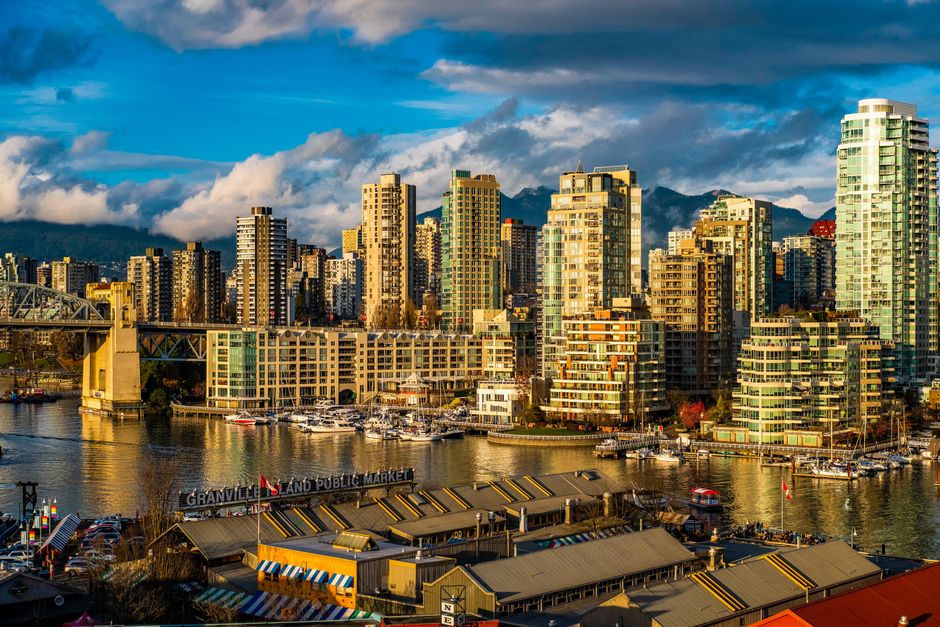
- In Metro Vancouver, the luxury market has faced significant headwinds, with sales down 19.8 per cent for homes over $3 million in the first four months of 2025. This decline is partly attributed to the federal foreign buyer ban, which is in place until Jan. 1, 2027, unless extended. For Metro Vancouver buyers, sellers, developers and investors, watch financing cost, transaction pace, supply mix and policy expectations.
- Who should watch
- - Buyers in traditional hubs like Vancouver and Toronto should monitor price adjustments and inventory levels as luxury demand shifts to secondary markets.
Generating audio…


What Happened
Canada’s luxury real estate market is shifting away from traditional hubs, with smaller and mid-sized cities like Edmonton and Saskatoon seeing significant growth while major metros like Vancouver and Toronto decline. Between Jan. 1 and April 30, 2025, luxury sales in Calgary, Edmonton, Saskatoon, and Ottawa each grew more than 10 per cent. In contrast, sales in Vancouver, Hamilton, the Greater Toronto Area, the Island of Montreal, and St. John’s, N.L., declined by more than 10 per cent. Edmonton emerged as a new leader, recording 65 luxury home sales of $1.5 million or more in the first four months of the year, a 47.7 per cent year-over-year increase. Saskatoon also saw strong gains, with luxury sales (defined as $900,000 or more) up 27.3 per cent. Meanwhile, Vancouver’s luxury market (homes over $3 million) fell 19.8 per cent, and Toronto’s (homes over $3 million) dropped 16.9 per cent. Don Kottick, president of Re/Max Canada, stated that luxury is no longer defined solely by Canada’s largest urban centres, noting a rebalance of luxury spending rather than an overall decline. Shaun Cathcart, senior economist at the Canadian Real Estate Association (CREA), noted that national home sales climbed 5.5 per cent in May, driven disproportionately by Ontario, though the HST rebate on new builds may have briefly drawn attention away from the existing home market.
Why It Matters
This decentralization signals a structural shift in where affluent buyers perceive value and long-term opportunity. As economic diversification and population growth drive demand in secondary markets, buyers are increasingly looking outside the country's largest urban centres for lifestyle benefits and economic stability. This trend suggests that wealth is becoming more regional, focusing on areas where buyers see sustainable growth rather than historical concentration. For the broader housing market, this indicates that luxury activity is becoming more dynamic and less reliant on the traditional dominance of Toronto and Vancouver.
Local Vancouver / Burnaby Context
In Metro Vancouver, the luxury market has faced significant headwinds, with sales down 19.8 per cent for homes over $3 million in the first four months of 2025. This decline is partly attributed to the federal foreign buyer ban, which is in place until Jan. 1, 2027, unless extended. The ban has weighed heavily on high-end real estate, prompting affluent buyers to take a more measured approach. Additionally, local policy changes, such as multiplex zoning, have blurred luxury value definitions, making it difficult for buyers to base decisions solely on government targeting of higher-end homes. While Kelowna has recently gained flexibility to opt out of short-term rental rules, Vancouver's luxury segment remains constrained by regulatory uncertainty and market cooling. The contrast between Edmonton's surge and Vancouver's slump highlights the divergent paths of Canadian real estate markets, with secondary cities benefiting from economic diversification while major hubs face affordability and policy pressures.
Market Impact
The shift in luxury demand is likely to impact land values and redevelopment feasibility in secondary markets like Edmonton and Saskatoon, where new supply may be needed to meet growing interest. In Vancouver and Toronto, continued declines in luxury sales could lead to increased inventory pressure and price adjustments for high-end properties. Investors may find better cash-flow opportunities in commercial real estate or secondary residential markets, as interest rate stability draws capital back to quality assets. The trend may also affect mortgage and rate sensitivity, as buyers in traditional hubs face higher entry costs and regulatory hurdles compared to those in emerging markets.
Investor / Buyer Takeaway
- Buyers in traditional hubs like Vancouver and Toronto should monitor price adjustments and inventory levels as luxury demand shifts to secondary markets.
- Investors may find stronger growth potential in cities like Edmonton and Saskatoon, where luxury sales are surging due to economic diversification.
- Sellers in high-end Vancouver and Toronto markets may face longer listing times and increased negotiation leverage for buyers.
- Watch for policy changes related to the foreign buyer ban, which could impact luxury market dynamics in Metro Vancouver if extended or reversed.
- Consider the impact of the HST rebate on new builds, which may temporarily skew buyer interest away from existing homes in Ontario.
Builder / Developer Perspective
Builders in Edmonton and Saskatoon may see increased feasibility for luxury projects, given the surge in high-end sales and growing demand. However, they must navigate potential supply chain and construction cost challenges as activity intensifies. In Vancouver and Toronto, developers may face reduced demand for luxury units, requiring adjustments in pricing, density, or pre-sale strategies. The foreign buyer ban continues to impact the calculus for luxury development in Metro Vancouver, potentially slowing new project launches. Builders should also consider the impact of local zoning changes, such as multiplex rules, which may affect the definition and value of luxury properties.
Risk Factors
- Policy uncertainty surrounding the foreign buyer ban, which could further impact luxury market dynamics if extended beyond Jan. 1, 2027.
- Economic diversification risks in secondary markets, where rapid growth may lead to oversupply or price corrections.
- Regulatory changes in zoning and taxation that could blur luxury value definitions and impact buyer confidence.
- Interest rate sensitivity, which may affect mortgage affordability and buyer demand in both traditional and emerging markets.
- Insurance and financing risks for high-value properties, particularly in markets experiencing rapid growth or decline.
BurnabyHouse Insight
The decentralization of Canada’s luxury market reflects a broader realignment of wealth and opportunity, with secondary cities like Edmonton and Saskatoon emerging as viable alternatives to traditional hubs. For Burnaby and Vancouver investors, this trend underscores the importance of monitoring policy shifts, such as the foreign buyer ban and local zoning changes, which continue to shape high-end market dynamics. While Edmonton’s surge highlights the potential of economic diversification, Vancouver’s decline serves as a reminder of the constraints imposed by regulatory uncertainty and affordability pressures. Buyers and investors should focus on long-term value drivers, including lifestyle benefits, economic stability, and policy clarity, rather than relying solely on historical market dominance.
Community
Questions, Answers & Comments
Ask a question, add context, or leave a comment. Public posts appear after review.
No public questions or comments yet. Be the first to ask.