Chilliwack Council refers 3-storey building containing daycare, pharmacy back to staff over design concerns
Start with reported facts, then read the Burnaby, Vancouver and BC real estate implications. BurnabyHouse separates facts, local context, buyer/investor takeaways and risk factors so commentary does not become reported fact.
What Happened
Chilliwack city councillors referred an application for a 3-storey building back to staff on June 2.
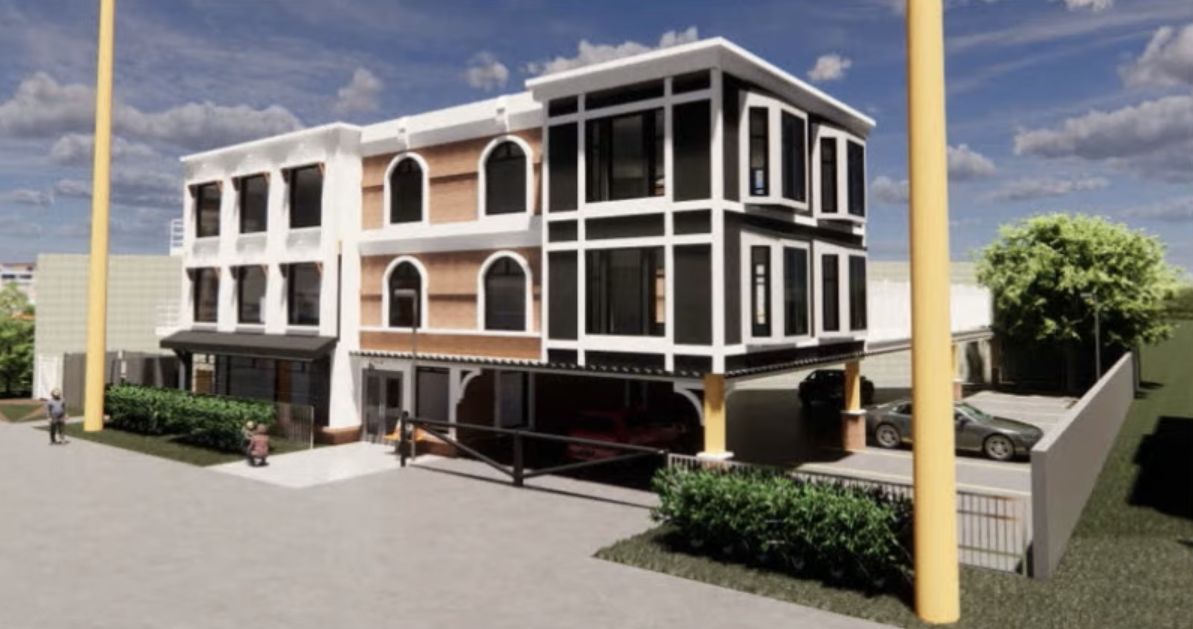
The application concerned 45760 Alder Avenue in Sardis. The applicant is SK Architecture Inc. The proposal sought a development variance permit. The proposed building would contain a day care on the first two storeys. The third floor would contain a medical clinic and pharmacy.
Erin Leary, manager of development and planning for the City of Chilliwack, addressed councillors on the application. The concern identified in the verified facts was the general look of the proposed commercial development. The council action did not approve the application as presented; it sent the file back to staff. The recorded next step is therefore further staff handling of the application.
The reported proposal combines child care, medical, and pharmacy uses in one commercial building. The affected site is in Sardis, not in Burnaby or Vancouver. The key municipal mechanism in the application was a development variance permit rather than a simple by-right proceeding.
Why It Matters
For real-estate readers, the important signal is not only that a mixed-use service building was proposed, but that design concerns were enough to interrupt the approval path. A development variance permit can be a useful tool when a project does not fit every standard rule, but it also places more weight on council comfort, staff review, and the public-facing quality of the proposal. When the issue is the general look of a building, the economics of the site may remain intact, yet the timing and certainty of delivery can change.
The proposed use mix also matters because it is not speculative retail alone. A day care, medical clinic, and pharmacy are neighbourhood-serving uses that can support daily life around residential areas. For owners, buyers, and investors, the takeaway is that municipalities may welcome needed services while still pressing applicants on form, presentation, and compatibility with the surrounding streetscape.
Local Vancouver / Burnaby Context
There is no Burnaby-specific local knowledge context in the verified source package, so the Chilliwack file should be read as a Fraser Valley municipal approval example rather than a Burnaby policy story. Still, the planning lesson is familiar to Greater Vancouver readers: projects that appear practical on use and location can still be slowed when design, variance, or fit concerns become the focus of council review.
For Burnaby and Vancouver property watchers, the relevance is procedural. Mixed-use and neighbourhood-service buildings often depend on more than demand from tenants or operators. They must also satisfy municipal expectations around how a building presents itself to the street and how variances are justified. That matters in a region where small commercial, child care, health-care, and pharmacy spaces can be important parts of complete communities.
The Sardis case also highlights a difference between land-use desirability and approval readiness. A building can propose community-serving functions and still face a setback if the approval body is not comfortable with the development package. For local readers comparing projects across municipalities, the lesson is to track not just proposed uses, but whether a file is proceeding by variance, whether design concerns are emerging, and whether council has sent the application back for more work.
Market Impact
The immediate market impact appears narrow and site-specific. A referral back to staff does not, by itself, establish a broader pricing shift for Chilliwack, Sardis, Burnaby, or Greater Vancouver property. It does, however, add uncertainty for the applicant, potential occupants, and any party counting on a predictable approval schedule.
For nearby property owners, the proposed mix of day care, medical, and pharmacy uses could be read as a service-amenity signal if the project eventually advances. For investors, the more relevant point is approval risk: a project with practical tenant uses can still be delayed if design response and variance handling do not satisfy the municipality. For buyers, the file is a reminder that future neighbourhood services shown in applications are not the same as completed amenities.
Investor / Buyer Takeaway
- Buyers should treat proposed nearby services as potential upside, not guaranteed neighbourhood infrastructure, until municipal approvals are further along.
- Investors should watch whether the development variance permit returns to council with design changes that resolve the stated appearance concerns.
- Sellers near the site should avoid overstating the certainty of the proposed day care, clinic, or pharmacy while the file remains back with staff.
- Commercial landlords and tenants can read the file as evidence that service-oriented uses may be attractive, but approval presentation still matters.
- The main trap is assuming that a community-serving use mix automatically clears municipal review without design or variance friction.
Builder / Developer Perspective
For builders and development teams, the Chilliwack referral reinforces a basic but costly lesson: entitlement risk is not limited to density, use, or parking-style questions. A project can be delayed over the perceived look of the building, especially when it is seeking a development variance permit. That means design narrative, streetscape fit, and early alignment with staff expectations can be as important as the use program.
The applicant may need to work through staff before the file can move forward again. From a feasibility standpoint, even a procedural delay can affect consultant time, tenant coordination, financing assumptions, and construction scheduling. For smaller commercial or mixed-service buildings, those timing issues can be meaningful because the project economics often depend on keeping approvals, leases, and build costs aligned.
Risk Factors
- Variance risk: because the application sought a development variance permit, the approval path depends on municipal comfort with the requested variance and the overall package.
- Design risk: council concerns focused on the general look of the proposed commercial development, so appearance and presentation are central issues.
- Timing risk: referral back to staff can slow certainty for the applicant and for any potential users of the proposed spaces.
- Financing and leasing risk: delays can complicate coordination between approval timing, prospective occupants, and project budgeting.
- Expectation risk: nearby owners and buyers should not treat the proposed day care, clinic, or pharmacy as confirmed amenities while the application remains unresolved.
BurnabyHouse Insight
The Sardis referral is a small file with a larger planning message: in municipal real estate, usefulness does not automatically equal approval readiness. A day care, medical clinic, and pharmacy may look like the kind of everyday-service mix many neighbourhoods want, but council still paused the application over design concerns. For BurnabyHouse readers, the sharper takeaway is to follow the approval mechanics behind a project, not just the headline use. Variance files, design response, and staff referrals can be the quiet factors that decide whether a site becomes a real amenity or remains a proposal on paper.
Community
Questions, Answers & Comments
Ask a question, add context, or leave a comment. Public posts appear after review.
No public questions or comments yet. Be the first to ask.
Gary Gao | Principal Real Estate Advisor · Licensed Home Builder · Former Municipal Insider
Decoding Greater Vancouver Real Estate: Leveraging Zoning, Driven by Data
Q: “Why should Greater Vancouver buyers trust a multi-discipline advisor?”
A: “Having lived in Canada for 26 years, I am not just a witness to Metro Vancouver's urban evolution, but a decoder of its underlying wealth logic .”