Canada's economy posts biggest trade surplus since before Trump's tariffs
Start with reported facts, then read the Burnaby, Vancouver and BC real estate implications. BurnabyHouse separates facts, local context, buyer/investor takeaways and risk factors so commentary does not become reported fact.
What Happened
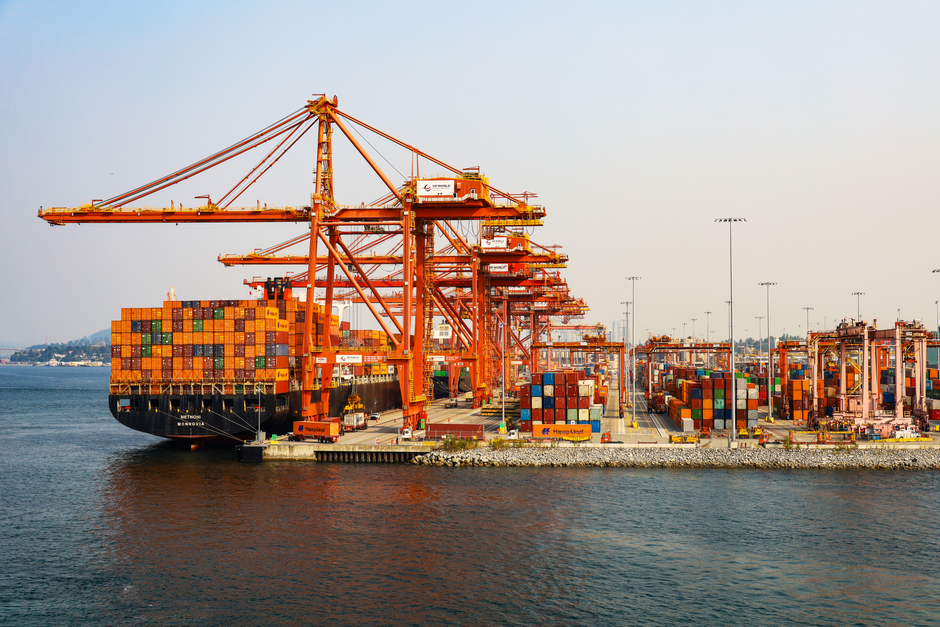
Canada recorded a merchandise trade surplus of $2.7 billion in April, marking the second consecutive month of positive trade balances. This figure represents the largest surplus the country has posted since January 2025, signaling a notable shift in the national economic trajectory. The primary driver behind this surplus was a surge in export revenues, which were heavily influenced by rising global prices for oil and energy commodities. Total exports reached a record high of $75.2 billion during this period, reflecting strong international demand for Canadian resources. Specifically, exports to the United States rose sharply by 8.3 per cent, reaching their highest level since March 2025. This growth in outbound trade was further amplified by increased shipments of gold and oil. Conversely, imports from the United States decreased by 1.2 per cent, widening the gap between what Canada sells abroad and what it purchases. The combination of soaring energy prices and robust export volumes propelled the goods trade surplus up by 55 per cent to a 15-month high. These figures highlight a temporary but significant improvement in Canada’s external economic position. The data underscores how commodity price fluctuations continue to play a decisive role in the nation’s monthly trade balance.
Why It Matters
A trade surplus of this magnitude indicates that Canada is earning significantly more from its exports than it is spending on imports. For the broader economy, this can provide a buffer against external shocks and support the value of the Canadian dollar. However, the reliance on energy prices means this surplus is highly sensitive to global market volatility. When oil prices drop, this surplus can evaporate quickly, making it a less stable indicator of long-term economic health compared to diversified export growth. For policymakers, this data suggests that the energy sector remains a critical pillar of national income, even as the country attempts to transition its economic base.
Local Vancouver / Burnaby Context
For Greater Vancouver real estate and investment markets, national trade balances influence mortgage rates and currency strength, which in turn affect foreign capital flows into local property. A stronger Canadian dollar, often supported by trade surpluses, can make Canadian real estate slightly more expensive for U.S. buyers, potentially cooling cross-border investment demand. Conversely, if the surplus is driven by high interest rates or strong domestic demand, it may signal a resilient local economy that supports property values. However, Burnaby and Vancouver investors should note that this specific surplus is driven by energy exports, not by the tech, construction, or service sectors that typically drive local employment and housing demand. The BC Housing Supply Act and local zoning frameworks remain the primary determinants of housing affordability in the region, independent of national trade flows. Local market sentiment is more closely tied to local inventory levels and regional development approvals than to national commodity exports.
Market Impact
The immediate impact on the real estate market is indirect. A strong trade surplus may lead to a stronger Canadian dollar, which could slightly dampen foreign buyer interest in luxury condos in Vancouver and Burnaby. However, the underlying driver—high oil prices—often correlates with higher inflation, which keeps mortgage rates elevated. This environment continues to pressure affordability for first-time buyers and investors relying on leverage. The surge in energy exports does not directly translate to increased construction activity in the 低陆平原, meaning housing supply constraints remain the dominant factor for local prices.
Investor / Buyer Takeaway
- Monitor the Canadian dollar: A stronger CAD due to trade surpluses may reduce the purchasing power of U.S. investors in Greater Vancouver.
- Watch mortgage rate trends: If energy-driven inflation persists, interest rates may remain higher for longer, affecting borrowing costs.
- Focus on local fundamentals: National trade data does not change local zoning or inventory shortages; prioritize neighbourhood-specific supply and demand.
- Diversify exposure: Relying on commodity-driven economic strength is volatile; balance real estate holdings with other asset classes.
- Track energy sector employment: While not directly linked to Vancouver, energy sector health influences national consumer confidence and spending power.
Builder / Developer Perspective
For builders and developers in Burnaby and Vancouver, this trade data offers limited direct insight into project feasibility. The surplus is driven by energy exports, not by the construction or manufacturing sectors that typically influence local building costs and labour availability. Developers should continue to focus on local regulatory hurdles, such as the BC Housing Supply Act targets, and construction cost inflation rather than national trade balances. The economic signal is positive for national GDP but does not alleviate the specific cost pressures or financing challenges faced by local developers.
Risk Factors
- Commodity price volatility: The surplus is heavily dependent on oil prices, which can drop rapidly, reversing the economic benefit.
- Inflationary pressure: High energy prices can sustain inflation, keeping mortgage rates elevated and reducing buyer purchasing power.
- Currency fluctuation: A stronger Canadian dollar may reduce foreign investment inflows into Vancouver and Burnaby real estate.
- Policy misalignment: National economic gains from energy exports do not address local housing supply constraints or zoning inefficiencies.
- Market sentiment shifts: If the surplus is viewed as temporary, it may not provide lasting confidence to long-term real estate investors.
BurnabyHouse Insight
While Canada’s April trade surplus highlights the enduring power of its energy sector, Greater Vancouver real estate investors should look past the headline number. The local market is governed by supply constraints, zoning regulations, and mortgage rates, not by national export volumes. A strong trade balance may support the broader economy, but it does not solve the affordability crisis or increase housing stock in Burnaby or Vancouver. Investors should remain focused on local development pipelines and regulatory changes, such as those under the BC Housing Supply Act, which have a far more direct impact on property values and rental yields than national trade data.
Community
Questions, Answers & Comments
Ask a question, add context, or leave a comment. Public posts appear after review.
No public questions or comments yet. Be the first to ask.
Gary Gao | Principal Real Estate Advisor · Licensed Home Builder · Former Municipal Insider
Decoding Greater Vancouver Real Estate: Leveraging Zoning, Driven by Data
Q: “Why should Greater Vancouver buyers trust a multi-discipline advisor?”
A: “Having lived in Canada for 26 years, I am not just a witness to Metro Vancouver's urban evolution, but a decoder of its underlying wealth logic .”