Vancouver Restaurant Closures Update July 2026
Key Takeaways
- What happened
- As of July 19, 2026, Vancouver's dining landscape continues to see significant turnover with multiple establishments closing their doors.
- Location
- Global markets / U.S. (indirect for Metro Vancouver)
- Key points
-
- The wave of restaurant closures in Vancouver impacts the city's cultural identity and local…
- Local impact
- Vancouver's restaurant scene has historically been a mix of long-standing family-run businesses and trendy new spots. The recent closures, including the 57-year-old Trocadero and the 12-year-old Gringo chain, highlight the volatility of the local hospitality market. For Metro Vancouver buyers, sellers, developers and investors, watch financing cost, transaction pace, supply mix and policy expectations.
- Who should watch
- ['Diners should explore remaining local favourites before they potentially close, as options in areas like Joyce-Collingwood and Coal Harbour are shrinking.', 'Investors in commercial real estate should monitor lease vacancies in…



What Happened
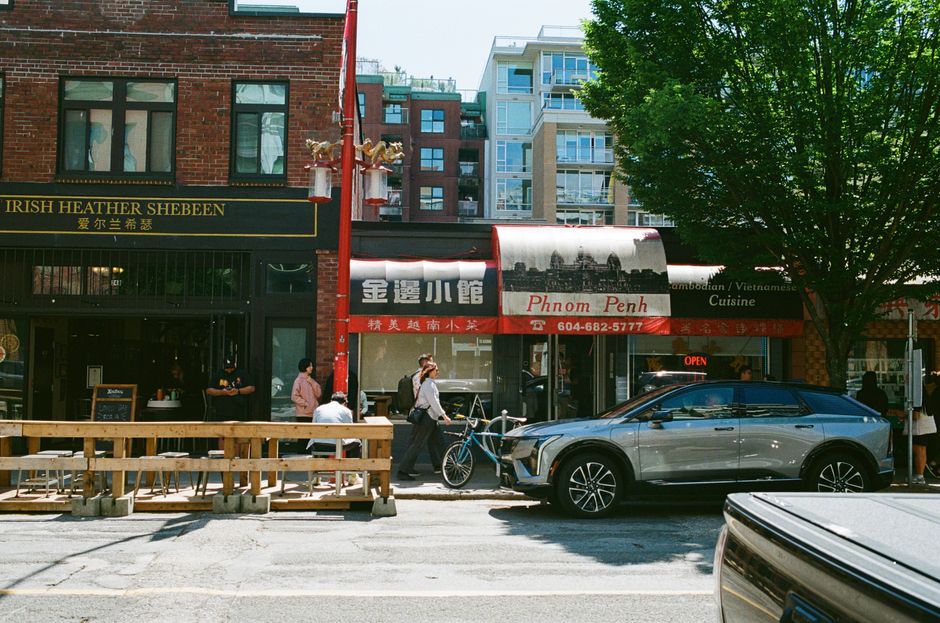
As of July 19, 2026, Vancouver's dining landscape continues to see significant turnover with multiple establishments closing their doors. Recent reports highlight that the city has lost at least 10 restaurants this spring, with closures spanning diverse neighbourhoods from Joyce-Collingwood to Coal Harbour. The list of shuttered venues includes long-standing institutions and newer hopefuls alike, reflecting a broader trend of permanent closures across the city. Among the notable closures is Trocadero, a 57-year-old East Van pizza and steak house that served its final meal on May 24. Other closures include Gringo, an affordable taco chain that shut down all three of its locations after 12 years in business. These closures are part of a larger compilation of over 15 Vancouver restaurants and food spots that have recently announced they are on their way out or have permanently closed.
Why It Matters
The wave of restaurant closures in Vancouver impacts the city's cultural identity and local economy. Dining establishments often serve as community anchors, and their loss can diminish the vibrancy of neighbourhoods. For residents and visitors, the changing landscape means fewer options for familiar dining experiences and a shift in the culinary character of areas like East Van and Coal Harbour. The closures also reflect the challenges faced by the hospitality industry, including rising operational costs and changing consumer habits, which can influence local spending and tourism.
Local Vancouver / Burnaby Context
Vancouver's restaurant scene has historically been a mix of long-standing family-run businesses and trendy new spots. The recent closures, including the 57-year-old Trocadero and the 12-year-old Gringo chain, highlight the volatility of the local hospitality market. While the provided facts focus on Vancouver, similar trends have been observed in neighbouring municipalities like Burnaby, where both decades-long favourites and newer establishments have also closed in recent years. The loss of these venues affects the local community's dining options and reflects broader economic pressures on small businesses in the Greater Vancouver area.
Community
Questions, Answers & Comments
Ask a question, add context, or leave a comment. Public posts appear after review.
No public questions or comments yet. Be the first to ask.