2 First Nations in B.C. withdraw legal challenge of Ksi Lisims LNG project
Start with reported facts, then read the Burnaby, Vancouver and BC real estate implications. BurnabyHouse separates facts, local context, buyer/investor takeaways and risk factors so commentary does not become reported fact.
What Happened
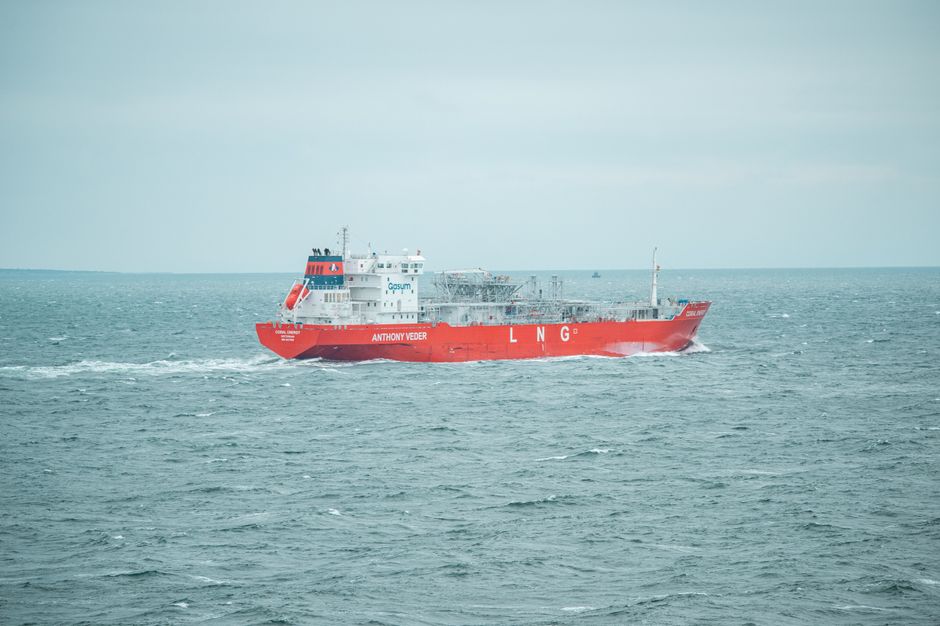
Western LNG, the lead developer of the $10-billion Ksi Lisims liquefied natural gas project, announced on Tuesday that it has signed benefit agreements with three First Nations in northern British Columbia. As part of these agreements, the Metlakatla First Nation and the Lax Kw’alaams Band have officially withdrawn their legal challenges against the federal government’s approval of the floating natural-gas facility and marine export terminal. The project, planned for Pearse Island near the Alaska border, aims to export liquefied natural gas to international markets. Davis Thames, head of Western LNG, emphasized that collaborating with Indigenous Nations has been the core of the project since its inception. Robert Nelson, Chief Councillor of Metlakatla, stated that the agreement reflects the importance of working together to create opportunities for their members and the broader northwest region. Eva Clayton, president of the Nisga’a Nation, highlighted the project's economic importance for communities in northwest B.C. The Metlakatla agreement specifically includes climate initiatives and business opportunities for the Nation. Western LNG partners aim to make a final go-ahead decision on the project this year. The company has also announced preliminary supply deals with German utilities for the facility. Federal natural resources minister Tim Hodgson touted the agreements at the Global Energy Show, noting the importance of good faith engagement. Despite these withdrawals, the project still faces political and legal challenges, including a separate challenge by Gitxsan Hereditary Chief Charlie Wright regarding the Prince Rupert Gas Transmission pipeline.
Why It Matters
The withdrawal of legal challenges by two major First Nations significantly de-risks the Ksi Lisims LNG project, which is valued at $10 billion. This move removes a major obstacle to the project's timeline, allowing Western LNG to focus on its final investment decision later this year. The benefit agreements provide a model for how large-scale energy infrastructure can proceed with Indigenous partnership, addressing historical tensions around resource development in northern B.C. The project's ability to secure supply agreements with European utilities further strengthens its commercial viability in a market seeking reliable fuel sources. This development signals a shift in the project's trajectory from legal uncertainty to potential construction readiness, impacting regional economic forecasts and energy export capabilities.
Local Vancouver / Burnaby Context
The Ksi Lisims LNG project is located in northern British Columbia, specifically on Pearse Island near the border with Alaska, and involves the Prince Rupert Gas Transmission pipeline. While this project is geographically distant from Burnaby and Vancouver, it is part of the broader BC energy landscape that influences provincial economic policy and Indigenous relations. The project's progress is often contrasted with other regional developments, such as the naming of the Site C dam after former Premier John Horgan, which highlights the ongoing political dynamics surrounding major infrastructure in BC. Local context in Burnaby and Vancouver often focuses on the environmental and economic implications of such large-scale projects, including concerns about climate impact and the balance between economic growth and conservation. The involvement of First Nations like the Nisga’a Nation, Metlakatla First Nation, and Lax Kw’alaams Band underscores the critical role of Indigenous rights and title in BC resource development. The project's legal challenges previously involved the B.C. Supreme Court and Federal Court, reflecting the complex regulatory environment for energy projects in the province.
Market Impact
The withdrawal of legal challenges by Metlakatla and Lax Kw’alaams reduces the regulatory risk for the Ksi Lisims LNG project, potentially accelerating its timeline. This could lead to increased investment in northern BC infrastructure and related supply chains. For the broader energy market, the project's progress may influence LNG export volumes and pricing, particularly for European buyers seeking diversified supply. However, the project still faces environmental concerns and a separate legal challenge regarding the pipeline, which could delay or alter its scope. The final investment decision this year will be a key indicator of market confidence in the project's feasibility.
Investor / Buyer Takeaway
- Investors in Western LNG and its partners should monitor the final investment decision later this year as a critical milestone for project viability.
- Buyers of LNG in European markets may see increased supply options from BC, potentially affecting long-term contract negotiations.
- Indigenous communities involved in benefit agreements may see new business opportunities and climate initiatives, impacting local economic development.
- Stakeholders should remain cautious of ongoing legal challenges, particularly those related to the Prince Rupert Gas Transmission pipeline.
- Environmental groups may continue to oppose the project, posing reputational and regulatory risks for developers.
Builder / Developer Perspective
For Western LNG, the benefit agreements and withdrawal of challenges are crucial for securing the social license and regulatory certainty needed to proceed with a $10-billion project. The developer must now focus on finalizing supply agreements and securing financing for construction. The involvement of First Nations in the project's planning and benefit sharing is essential for mitigating future legal and operational risks. The project's feasibility depends on the ability to manage environmental impacts and maintain good relations with all Indigenous Nations, including those not yet part of the agreement, such as the Gitxsan Nation.
Risk Factors
- Ongoing legal challenges from the Gitxsan Nation regarding the pipeline could delay or halt construction.
- Environmental concerns about increased gas production and shipping may lead to further regulatory scrutiny.
- Political shifts in federal or provincial governments could impact support for large-scale energy projects.
- Market volatility in LNG prices could affect the project's economic viability and investor confidence.
- Potential disputes over the implementation of benefit agreements could strain relationships with Indigenous partners.
BurnabyHouse Insight
The Ksi Lisims LNG project's progress represents a significant shift in BC's energy landscape, balancing economic development with Indigenous partnership. While the withdrawal of legal challenges by two First Nations is a major step forward, the project's ultimate success depends on navigating remaining legal hurdles and environmental concerns. For Burnaby and Vancouver residents, the project's impact is indirect but notable, as it reflects broader trends in resource development and Indigenous rights in BC. The project's ability to secure European supply agreements highlights the global demand for LNG and the strategic importance of BC's energy exports. However, the ongoing challenges underscore the complexity of large-scale infrastructure projects in a region with deep historical tensions over land and resource use.
Community
Questions, Answers & Comments
Ask a question, add context, or leave a comment. Public posts appear after review.
No public questions or comments yet. Be the first to ask.
Gary Gao | Principal Real Estate Advisor · Licensed Home Builder · Former Municipal Insider
Decoding Greater Vancouver Real Estate: Leveraging Zoning, Driven by Data
Q: “Why should Greater Vancouver buyers trust a multi-discipline advisor?”
A: “Having lived in Canada for 26 years, I am not just a witness to Metro Vancouver's urban evolution, but a decoder of its underlying wealth logic .”