Trump to Meet Mideast Partners on Sidelines of G7 in France
Key Takeaways
- What happened
- Senior U.S.. administration officials announced on June 13, 2026, that President Donald Trump will engage in a high-stakes diplomatic schedule during the upcoming G7 summit in France.
- Location
- France
- Key points
-
- The scheduling of these meetings highlights a strategic pivot toward stabilizing critical…
- June 13, 2026: Senior U.S.
- Next week: Trump to meet with Middle Eastern leaders and attend a working session with…
- Local impact
- Interest-rate and bond-yield moves typically affect Canadian mortgage pricing and development financing first, then Metro Vancouver purchase timing, rental returns and presale resale expectations.
- Who should watch
- - Buyers should remain cautious of interest rate sensitivity, as global economic fallout from the war in Iran may keep borrowing costs high.
Generating audio…



What Happened
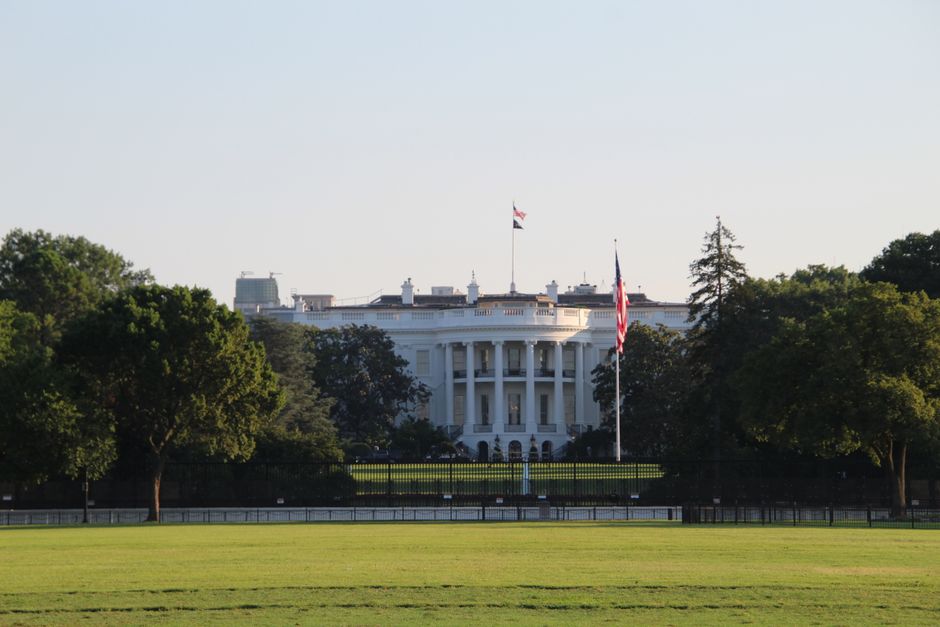
Senior U.S. administration officials announced on June 13, 2026, that President Donald Trump will engage in a high-stakes diplomatic schedule during the upcoming G7 summit in France. The itinerary includes bilateral meetings with leaders from Egypt, Qatar, the United Arab Emirates, France, and India, alongside a working session with Ukrainian President Volodymyr Zelenskiy. While no formal bilateral meeting is currently planned with Zelenskiy, a sideline encounter remains possible as the summit approaches early next week. Trump is also scheduled to attend a dinner at the Palace of Versailles on Wednesday before returning to Washington. These diplomatic moves underscore the outsized role the ongoing war in Iran continues to play as European allies grapple with global economic fallout.
Why It Matters
The scheduling of these meetings highlights a strategic pivot toward stabilizing critical supply chains and addressing regional security threats that directly impact global economic stability. By prioritizing discussions on supply chain resilience for critical minerals needed for advanced technologies, the administration is signaling that economic security is now inextricably linked to geopolitical alliances. This focus on critical minerals and supply chain integrity suggests that future trade and industrial policies will be heavily influenced by the need to secure resources against geopolitical volatility. The inclusion of Middle Eastern leaders in these discussions also points to an effort to rebuild consensus on Middle East conflict resolution, which is essential for maintaining energy market stability and preventing broader regional escalation.
Local Vancouver / Burnaby Context
For Metro Vancouver readers, the emphasis on supply chain resilience and critical minerals has direct implications for the local construction and development sectors. British Columbia is a significant producer of critical minerals, and shifts in U.S. trade policy or supply chain security could influence investment flows into local mining and processing projects. Furthermore, the broader economic fallout from the war in Iran, which is cited as a key driver for these diplomatic efforts, can impact global oil prices and inflation rates. These macroeconomic factors directly affect mortgage rates and housing affordability in Burnaby and Vancouver, where market confidence is sensitive to global economic uncertainty. The potential for increased economic volatility means that local housing markets may face continued pressure from interest rate fluctuations, affecting both buyer demand and developer financing costs. Additionally, the focus on illegal migration and AI in summit discussions may indirectly influence labor market dynamics in the Greater Vancouver area, particularly in sectors reliant on skilled labor and technological integration.
Market Impact
The diplomatic focus on supply chain resilience and critical minerals suggests that industries tied to construction materials and technology infrastructure may face shifting costs and availability. For the housing market, this could translate into continued volatility in material costs, impacting redevelopment feasibility and new construction timelines. The broader economic uncertainty stemming from the war in Iran may keep mortgage rates elevated, dampening buyer sentiment and slowing transaction volumes in the condo and detached home sectors. Investors should monitor how global trade tensions influence local property values, particularly in neighborhoods with high redevelopment potential. The potential for policy shifts regarding critical minerals could also create new investment opportunities in related sectors, though this may come with increased regulatory scrutiny.
Investor / Buyer Takeaway
- Buyers should remain cautious of interest rate sensitivity, as global economic fallout from the war in Iran may keep borrowing costs high.
- Investors in construction-related sectors should monitor supply chain developments for critical minerals, which could impact material costs and project feasibility.
- Sellers may face a more competitive market if economic uncertainty leads to delayed buyer decisions, requiring strategic pricing.
- Watch for policy shifts in U.S.-Canada trade relations regarding critical minerals, which could influence local investment flows.
- Consider the long-term impact of geopolitical stability on housing demand, particularly in areas with strong redevelopment potential.
Builder / Developer Perspective
Developers in Burnaby and Vancouver should anticipate continued challenges related to supply chain resilience for construction materials, particularly those tied to critical minerals. The administration's focus on securing these supply chains may lead to changes in material costs and availability, impacting project budgets and timelines. Additionally, the broader economic uncertainty stemming from the war in Iran could affect financing conditions, making it crucial for builders to secure favorable loan terms early. The potential for policy shifts in trade and industrial policy may also influence the regulatory environment for development, requiring developers to stay informed about changes in zoning, taxation, and environmental regulations. Builders should also consider the impact of global economic trends on labor availability and costs, as these factors can significantly affect project viability.
Risk Factors
- Global economic volatility from the war in Iran could lead to sudden shifts in mortgage rates and housing demand.
- Supply chain disruptions for critical minerals may increase construction costs and delay project timelines.
- Policy changes in U.S.-Canada trade relations could impact local investment flows and economic stability.
- Regulatory shifts in zoning or taxation may affect redevelopment feasibility and profitability.
- Labor market constraints could drive up construction costs and limit project capacity.
BurnabyHouse Insight
The G7 summit's focus on supply chain resilience and critical minerals reflects a broader trend of economic security taking precedence over pure trade liberalization. For Burnaby and Vancouver, this means that local development and investment strategies must account for geopolitical risks that can impact material costs and financing conditions. While the immediate impact on housing prices may be muted, the long-term implications for construction costs and market stability are significant. Developers and investors should prioritize flexibility and risk management in their planning, as global economic uncertainty is likely to persist. The emphasis on critical minerals also highlights the importance of local resource industries in the broader economic landscape, offering potential opportunities for those who can navigate the evolving regulatory and trade environment.
Community
Questions, Answers & Comments
Ask a question, add context, or leave a comment. Public posts appear after review.
No public questions or comments yet. Be the first to ask.