Trump Signs 50% Tariffs on Canadian Exports Effective August 2026
Key Takeaways
- What happened
- U.S.. President Donald Trump signed three proclamations on Monday, July 20, 2026, imposing an additional 50 percent tariff on a wide range of Canadian exports.
- Location
- Metro Vancouver
- Key points
-
- The imposition of a blanket 50 percent tariff fundamentally alters the economic relationship…
- Local impact
- While this is a federal trade policy announcement, the economic transmission to Greater Vancouver and Burnaby will be felt through national economic indicators. Burnaby and Vancouver are heavily integrated into North American supply chains, particularly in technology, forestry, and international trade logistics. For Metro Vancouver buyers, sellers, developers and investors, watch financing cost, transaction pace, supply mix and policy expectations.
- Who should watch
- ["Monitor the Bank of Canada's interest rate response; a recessionary trigger from tariffs could lead to rate cuts, lowering borrowing costs for buyers.", 'Watch the Canadian dollar; a significant drop could increase the cost of…



What Happened
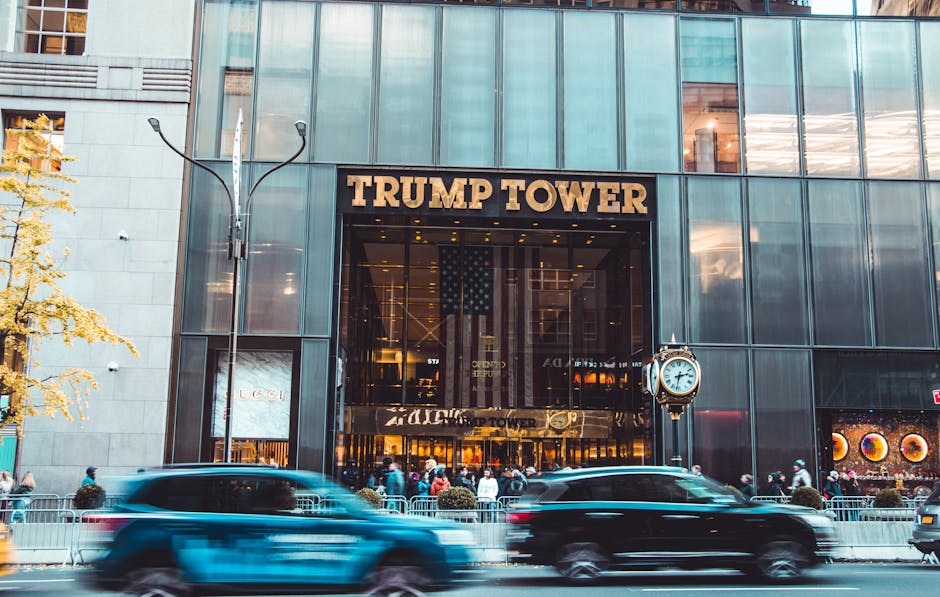
U.S. President Donald Trump signed three proclamations on Monday, July 20, 2026, imposing an additional 50 percent tariff on a wide range of Canadian exports. The new duties are authorized under Section 338 of the Tariff Act of 1930, a rarely used legal mechanism for such broad trade measures. The White House cited alleged discriminatory trade actions by Canada against multiple U.S. industries as the justification for the escalation. The tariffs will take effect in 30 days, targeting goods currently covered by the Canada-U.S.-Mexico Agreement (CUSMA). This move marks a significant ramp-up in the ongoing trade dispute between the two nations.
Why It Matters
The imposition of a blanket 50 percent tariff fundamentally alters the economic relationship between Canada and the United States, the world's largest bilateral trading partnership. By utilizing the Tariff Act of 1930 rather than existing CUSMA dispute mechanisms, the U.S. is bypassing traditional free-trade frameworks. This creates immediate uncertainty for Canadian exporters, particularly in sectors like automotive, dairy, and alcohol, which were cited in reports as focal points of the dispute. The timing and magnitude of the tariffs suggest a strategic shift toward protectionism that could disrupt supply chains and increase costs for businesses on both sides of the border.
Local Vancouver / Burnaby Context
While this is a federal trade policy announcement, the economic transmission to Greater Vancouver and Burnaby will be felt through national economic indicators. Burnaby and Vancouver are heavily integrated into North American supply chains, particularly in technology, forestry, and international trade logistics. A 50 percent tariff wall typically leads to reduced export volumes, which can impact industrial real estate demand in Burnaby's manufacturing and logistics sectors. Furthermore, if the tariffs trigger a national recession or significant job losses in export-dependent provinces, consumer confidence in the local housing market would likely contract, affecting both rental demand and home sales volumes in Metro Vancouver.
Market Impact
The immediate impact on the local real estate market will be indirect, mediated through national economic health. If the tariffs lead to a slowdown in Canadian GDP, interest rate cuts by the Bank of Canada might follow to stimulate the economy, which could theoretically support mortgage affordability. However, if the tariffs cause inflationary pressures or currency depreciation (a weaker Canadian dollar), the cost of construction materials imported from the U.S. could rise, squeezing builder margins. Additionally, reduced business confidence in trade-dependent regions like British Columbia could lead to corporate relocation or hiring freezes, dampening demand for housing in major urban centers.
Investor / Buyer Takeaway
Monitor the Bank of Canada's interest rate response; a recessionary trigger from tariffs could lead to rate cuts, lowering borrowing costs for buyers. - Watch the Canadian dollar; a significant drop could increase the cost of U.S.-sourced construction materials, potentially slowing new development starts. - Be cautious with industrial and logistics real estate investments in Burnaby and 素里, which are highly sensitive to cross-border trade volumes. - Consider the lag effect; trade policy impacts often take 6-12 months to fully materialize in housing market data, so immediate panic buying or selling may be premature. - Diversify exposure; sectors heavily reliant on U.S. exports (like forestry and tech) may face headwinds, affecting the employment base that supports local housing demand.
Builder / Developer Perspective
Developers in Metro Vancouver should anticipate potential cost volatility if construction materials sourced from the United States become subject to retaliatory tariffs or if the Canadian dollar weakens significantly. While the current 50 percent tariff is on Canadian exports, trade wars often escalate into import duties as well. Financing conditions may improve if the Bank of Canada cuts rates to counteract economic slowdown, but lender risk aversion could tighten credit for speculative projects. Pre-sale viability may depend on whether consumer confidence holds steady amidst the trade uncertainty.
Risk Factors
Retaliatory tariffs from Canada on U.S. imports could increase costs for construction materials and equipment sourced from the United States. - A weakening Canadian dollar could inflate the cost of foreign investment in local real estate, potentially distorting pricing in luxury segments. - Economic slowdown in export-dependent provinces could lead to job losses, reducing the pool of qualified mortgage applicants in Metro Vancouver. - Policy uncertainty may cause institutional investors to pause capital deployment in Canadian commercial and residential real estate. - Potential for prolonged trade disputes could delay major infrastructure or development projects reliant on cross-border supply chains.
BurnabyHouse Insight
The 50 percent tariff is a shock to the system, but its housing impact is a second-order effect. Historically, trade wars weaken the Canadian dollar and prompt Bank of Canada rate cuts. While a weaker dollar makes Canadian real estate cheaper for foreign buyers, it also raises construction costs. The net effect on Burnaby and Vancouver is likely a period of stagnation rather than a crash, as affordability constraints already limit the buyer pool. The key indicator to watch is not the tariff itself, but the Bank of Canada's reaction function and the stability of the U.S. housing market, which remains a primary driver of Canadian economic sentiment.
Community
Questions, Answers & Comments
Ask a question, add context, or leave a comment. Public posts appear after review.
No public questions or comments yet. Be the first to ask.