Thailand BOI Approves $688 Million Nestle Smart Factory Amid $29 Billion Investment Wave
Key Takeaways
- What happened
- Thailand's Board of Investment (BOI) has approved six major investment projects with a combined value of 958 billion baht (approximately USD 29 billion), signaling a significant surge in foreign capital inflow.
- Location
- Bangkok
- Key points
-
- The scale of these approvals, particularly the USD 29 billion total, indicates a major shift in…
- Thailand's BOI approved six major projects worth a combined 958 billion baht.
- Nestle Thai Co. received approval for a 688 million USD investment.
- Local impact
- This story focuses on investment approvals in Thailand and does not directly involve housing policy, zoning, or development in Burnaby or Vancouver. However, the global trend of shifting investment toward Southeast Asia for manufacturing and data infrastructure can have indirect effects on the Canadian real estate market. For Metro Vancouver buyers, sellers, developers and investors, watch financing cost, transaction pace, supply mix and policy expectations.
- Who should watch
- ['Monitor global capital flows: Large-scale investments in Southeast Asia may influence investment strategies and capital availability in Canadian markets.', 'Watch construction material costs: Shifts in global supply chains can impact the…



What Happened
Thailand's Board of Investment (BOI) has approved six major investment projects with a combined value of 958 billion baht (approximately USD 29 billion), signaling a significant surge in foreign capital inflow. The approvals were finalized during a board meeting chaired by Deputy Prime Minister and Minister of Finance Mr. Ekniti Nitithanprapas. This massive capital commitment highlights Thailand's strategic push to become a regional hub for advanced technology and manufacturing.
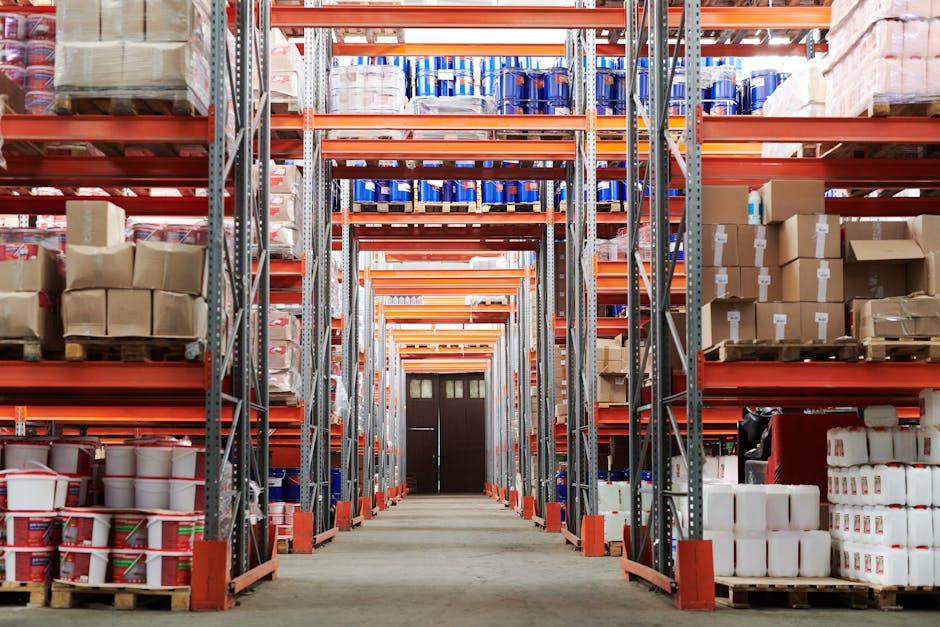
Leading the recent approvals is Nestle Thai Co., which received clearance for a USD 688 million (23 billion baht) investment to construct a smart factory and distribution center. This greenfield project aims to attract higher-value manufacturing and technology supply chains to the country. The facility is scheduled to begin operations in the fourth quarter of 2028, with an annual production capacity designed to support regional distribution needs.
In addition to the Nestle project, the BOI approved a massive USD 25 billion (842 billion baht) data infrastructure expansion by TikTok System (Thailand) Co., Ltd. Other approved initiatives include data center investments by Skyline Data Center and Cloud Services Co., Ltd. and Bridge Data Centres IIO (Thailand) Co., Ltd., as well as renewable energy and circular economy projects. These approvals underscore the urgent need for power readiness and clean energy access to support incoming digital infrastructure.
Why It Matters
The scale of these approvals, particularly the USD 29 billion total, indicates a major shift in global investment flows toward Southeast Asia. For Thailand, this represents a critical opportunity to transition from traditional manufacturing to high-value digital and smart manufacturing sectors. The inclusion of major tech players like TikTok alongside established consumer goods giants like Nestle suggests that Thailand is successfully positioning itself as a diversified regional hub.
However, the approvals also highlight significant infrastructure challenges. The BOI has explicitly discussed the urgent power supply needs for incoming investments, particularly in the Eastern region. To capture this new investment cycle, the government must ensure sufficient power readiness, clean energy options, and skilled talent. The speed at which these projects can move from approval to operation will be a key determinant of Thailand's competitiveness in the global market.
The focus on clean energy and digital infrastructure also has broader implications for regional supply chains. As companies like Nestle and TikTok establish regional hubs in Thailand, other countries in the region may face increased pressure to improve their own regulatory environments and infrastructure to remain competitive. This could lead to a broader realignment of investment patterns across Southeast Asia.
Local Vancouver / Burnaby Context
This story focuses on investment approvals in Thailand and does not directly involve housing policy, zoning, or development in Burnaby or Vancouver. However, the global trend of shifting investment toward Southeast Asia for manufacturing and data infrastructure can have indirect effects on the Canadian real estate market. For instance, changes in global supply chains can impact construction material costs and availability, which are critical factors for developers in Burnaby and Vancouver.
Additionally, the focus on clean energy and digital infrastructure in Thailand reflects a broader global trend that may influence investor sentiment and capital flows in Canadian markets. Investors looking for high-growth opportunities in Southeast Asia may adjust their portfolios, potentially affecting liquidity and investment strategies in the Greater Vancouver area. While there is no direct policy link, the macroeconomic environment shaped by such international investments can influence mortgage rates, construction financing, and overall market confidence in British Columbia.
For local readers, it is important to distinguish between direct local policy impacts and broader global economic trends. While Thailand's investment boom is significant for its economy, it does not directly alter the regulatory landscape for housing development in Burnaby or Vancouver. Local developers and investors should continue to monitor domestic policy changes, such as zoning reforms and housing supply initiatives, which have a more immediate impact on local market dynamics.
Market Impact
The approval of such large-scale investments in Thailand may lead to increased competition for global capital, potentially influencing interest rates and investment yields in other markets, including Canada. For the construction industry, shifts in global supply chains can affect the cost and availability of building materials, impacting project feasibility in Burnaby and Vancouver.
For the real estate market, the influx of foreign direct investment into Southeast Asia may attract some institutional capital away from traditional markets like Greater Vancouver. This could lead to subtle shifts in investment strategies, with some investors diversifying their portfolios across different regions. However, the direct impact on local housing prices and rental markets is likely to be minimal in the short term.
The focus on digital infrastructure and smart manufacturing in Thailand also highlights the growing importance of technology in global economic development. This trend may influence the demand for tech-related commercial real estate in Canadian cities, including Burnaby, as companies seek to establish regional offices and support facilities.
Investor / Buyer Takeaway
- Monitor global capital flows: Large-scale investments in Southeast Asia may influence investment strategies and capital availability in Canadian markets.
- Watch construction material costs: Shifts in global supply chains can impact the cost of building materials, affecting project budgets in Burnaby and Vancouver.
- Diversify investment portfolios: Consider the potential for increased competition for global capital and adjust investment strategies accordingly.
- Focus on local policy changes: Domestic zoning reforms and housing supply initiatives in British Columbia have a more direct impact on local real estate dynamics than international investment news.
- Stay informed on tech trends: The growth of digital infrastructure in Thailand may influence the demand for tech-related commercial real estate in Canadian cities.
Builder / Developer Perspective
For builders and developers in Burnaby and Vancouver, the primary takeaway is the potential impact on construction costs and material availability. As global supply chains shift, the cost of importing materials may fluctuate, affecting project feasibility. Developers should closely monitor these trends and adjust their procurement strategies accordingly.
Additionally, the focus on clean energy and digital infrastructure in Thailand reflects a broader global trend that may influence investor sentiment. Developers seeking financing for large projects may face increased competition for capital, potentially affecting financing terms and availability. It is important for developers to maintain strong relationships with lenders and investors to secure favorable financing conditions.
While the direct impact on local development projects is limited, the macroeconomic environment shaped by international investments can influence overall market confidence. Developers should remain agile and responsive to changing market conditions, focusing on delivering high-quality projects that meet the needs of local buyers and renters.
Risk Factors
- Global supply chain disruptions: Shifts in manufacturing and data infrastructure investment may lead to fluctuations in construction material costs and availability.
- Competition for capital: Large-scale investments in Southeast Asia may attract institutional capital away from Canadian markets, potentially affecting investment liquidity.
- Regulatory changes: Changes in international trade policies or investment regulations could impact the cost and feasibility of cross-border projects.
- Interest rate volatility: Global economic trends may influence interest rates, affecting mortgage costs and construction financing in British Columbia.
- Market sentiment shifts: Changes in investor sentiment toward Southeast Asia may lead to fluctuations in real estate investment strategies in Greater Vancouver.
BurnabyHouse Insight
While Thailand's approval of a $29 billion investment wave, led by Nestle's $688 million smart factory, is a significant global economic event, its direct impact on Burnaby and Vancouver's housing market is limited. The primary concern for local developers and investors should be the potential indirect effects on construction costs and capital flows. As global supply chains shift, the cost of building materials may fluctuate, impacting project budgets. Additionally, the influx of foreign direct investment into Southeast Asia may attract some institutional capital away from traditional markets like Greater Vancouver. However, local policy changes, such as zoning reforms and housing supply initiatives, remain the most critical factors influencing the local real estate landscape. Investors and developers should focus on domestic market dynamics while keeping an eye on broader global economic trends that may influence financing and material costs.
Community
Questions, Answers & Comments
Ask a question, add context, or leave a comment. Public posts appear after review.
No public questions or comments yet. Be the first to ask.