BC rent declines 12.5% as province matches $1.6B federal fund to boost supply
Key Takeaways
- What happened
- British Columbia is reporting a significant drop in housing costs for renters, with asking rents falling by 12.5 per cent from August 2023 to April 2026.
- Location
- Metro Vancouver
- Key points
-
- The 12.5 per cent drop in asking rents marks a pivotal moment for housing affordability in…
- Local impact
- Macro data and market sentiment typically feed into rates, energy prices and financing expectations first, then into Canadian mortgage rates, development financing and Metro Vancouver housing supply, demand and pricing expectations.
- Who should watch
- ['Renters should take advantage of the current market conditions, where asking rents are 12.5 per cent lower than in August 2023, to negotiate better lease terms or relocate to more affordable areas.', 'Tenants should be aware of the new…



What Happened
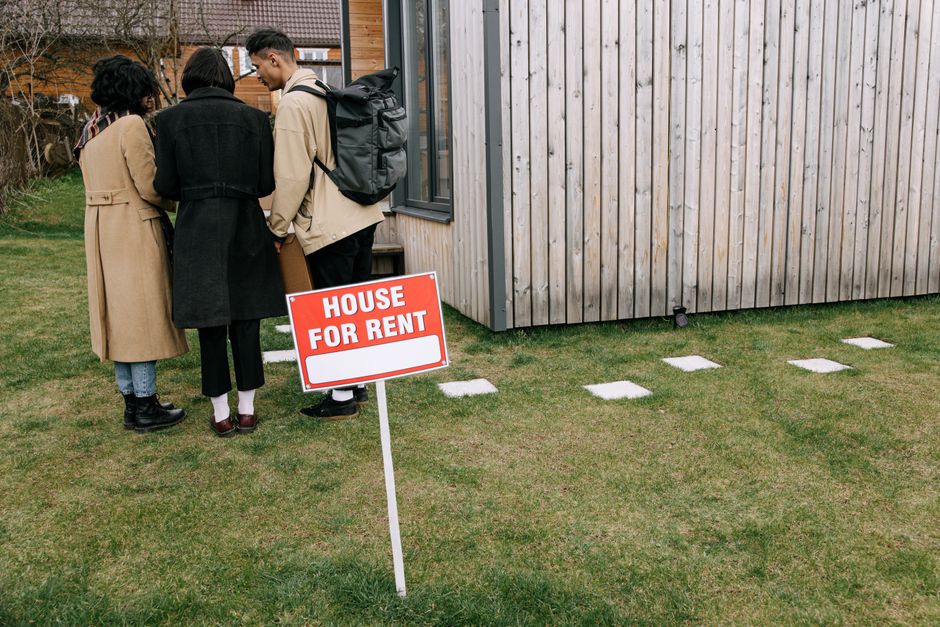
British Columbia is reporting a significant drop in housing costs for renters, with asking rents falling by 12.5 per cent from August 2023 to April 2026. This decline represents a reduction of $333 per month, translating to an average annual saving of $4,000 for tenants across the province. The government attributes this shift to a combination of increased rental supply and new regulatory measures designed to protect tenants and stabilize the market. A key component of this strategy is tying the annual allowable rent increase directly to inflation, effectively eliminating the previous automatic percentage updates that often outpaced wage growth. To further support affordability, the province has also expanded the Shelter Aid for Elderly Renters (SAFER) program, which now assists more than 27,000 low-income seniors. These measures are part of a broader effort to stand up for British Columbians facing high housing costs by increasing the supply of rental homes and supporting first-time buyers. The government is also collaborating with the federal government to match the $1.6 billion Build Communities Strong Fund. This matching investment aims to lower development charges on multi-unit housing and expand infrastructure for new builds, addressing the supply side of the housing equation. The province is simultaneously working to update zoning laws and convert short-term rentals into long-term housing to further increase available inventory.
Why It Matters
The 12.5 per cent drop in asking rents marks a pivotal moment for housing affordability in British Columbia, directly impacting the cost of living for millions of residents. By tying rent increases to inflation, the government has removed a mechanism that previously allowed landlords to raise rents automatically, regardless of economic conditions. This policy shift provides greater predictability for tenants and helps ensure that rent growth aligns with broader economic realities. The expansion of the SAFER program further targets vulnerability, ensuring that low-income seniors are not left behind as the market adjusts. These measures collectively signal a government strategy that prioritizes tenant protection and supply expansion over unchecked rent growth, aiming to stabilize the rental market for the long term. The collaboration with the federal government on the Build Communities Strong Fund highlights the scale of investment required to sustain this affordability, linking local housing outcomes to national infrastructure spending. As development charges are lowered and zoning is updated, the focus shifts to how quickly new supply can come online to maintain this downward pressure on rents. The conversion of short-term rentals to long-term housing represents a direct intervention in the housing stock, aiming to capture existing inventory for residents rather than transient visitors. This approach suggests that affordability is being addressed through both demand-side support and aggressive supply-side interventions. The success of these policies will depend on the pace of construction and the ability of the market to absorb new units without triggering a new cycle of price volatility. For current and future renters, these changes define a new baseline for housing costs and tenant rights in the province.
Local Vancouver / Burnaby Context
In the Greater Vancouver and Burnaby context, the 12.5 per cent decline in asking rents from August 2023 to April 2026 reflects a broader regional trend of market correction and increased inventory. Burnaby, as a key hub for multi-unit development, has seen significant changes in its zoning landscape, allowing for more density and new construction that contributes to the overall supply. The lowering of development charges through the matched federal fund directly impacts builder economics in municipalities like Burnaby, where infrastructure costs have historically been a barrier to affordable multi-unit projects. The conversion of short-term rentals to long-term housing is particularly relevant in urban centres where tourism-driven rentals have competed with residential tenants. In Burnaby and Vancouver, this policy shift aims to stabilize neighbourhoods and ensure that housing stock serves residents first. The expansion of the SAFER program also has local implications, as senior populations in these municipalities rely heavily on rental housing. The government's focus on updating zoning laws aligns with recent provincial directives to allow more housing near transit and in single-family areas, a process that is actively reshaping the development pipeline in the 低陆平原. The $333 monthly rent reduction is a tangible benefit for renters in these high-cost areas, where even small percentage drops can represent significant savings. However, the long-term sustainability of these rents depends on the continued flow of new supply and the effectiveness of the infrastructure investments. The collaboration between provincial and federal levels on the Build Communities Strong Fund provides a critical financial bridge for municipalities to upgrade services while supporting new development. This partnership is essential for maintaining the pace of construction needed to keep rents suppressed. The local market is now navigating a period of adjustment where tenant protections are stronger, but builder margins are tighter due to lower development charges and increased competition for units. The outcome of these policies will likely define the rental market landscape in Burnaby and Vancouver for the coming years, balancing affordability with the need for profitable development.
Market Impact
The 12.5 per cent fall in asking rents and the $333 monthly reduction directly impact the rental market by lowering the barrier to entry for tenants and increasing the disposable income of renters. This shift reduces the urgency for renters to accept unfavorable lease terms, potentially increasing tenant retention and bargaining power. For landlords, the cap on rent increases tied to inflation limits revenue growth, which may affect the profitability of smaller rental portfolios. The conversion of short-term rentals to long-term housing increases the supply of available units, further exerting downward pressure on rents and reducing vacancy rates. The lowering of development charges improves the feasibility of new multi-unit projects, encouraging more construction activity in the short term. However, the long-term impact on property values for rental assets may be negative as the yield compression from lower rents and higher supply takes effect. The market is likely to see a stabilization in rental prices, with less volatility and more predictability for both tenants and investors. The expansion of the SAFER program also impacts the market by providing a safety net for low-income tenants, reducing the risk of eviction and homelessness. The overall effect is a more balanced market that favors tenants, with less speculative pressure on rental prices. Investors may need to adjust their expectations for returns, focusing on value-add opportunities or long-term appreciation rather than high rental yields. The infrastructure investments linked to the Build Communities Strong Fund will also impact local property values, particularly in areas receiving new services. The market is transitioning from a seller's/landlord's market to a more balanced environment where tenant protections and supply growth are the dominant forces.
Investor / Buyer Takeaway
Renters should take advantage of the current market conditions, where asking rents are 12.5 per cent lower than in August 2023, to negotiate better lease terms or relocate to more affordable areas. - Tenants should be aware of the new rent increase cap tied to inflation, which eliminates automatic percentage hikes, and monitor their annual increase notices for compliance. - Investors in rental properties should anticipate lower revenue growth due to the inflation-linked cap and the increased supply from converted short-term rentals, adjusting their cash flow models accordingly. - Buyers of rental assets should focus on properties in areas benefiting from the lowered development charges and infrastructure investments, as these may offer better long-term value despite near-term rent suppression. - First-time homebuyers and those seeking affordable housing should monitor the expansion of the SAFER program and other government initiatives that may provide additional support or incentives.
Builder / Developer Perspective
The matching of the $1.6 billion Build Communities Strong Fund to lower development charges on multi-unit housing is a significant positive for builders and developers in British Columbia. By reducing the upfront costs associated with new construction, the government is improving the financial feasibility of projects that might otherwise be marginal. This is particularly important in the current economic climate where construction costs remain high and interest rates have been volatile. The update of zoning laws to allow for more density and the conversion of short-term rentals to long-term housing also create new opportunities for developers to access existing inventory or redevelop properties. However, the downward pressure on rents due to the 12.5 per cent decline and increased supply may compress profit margins, requiring developers to be more efficient in their construction processes. The focus on multi-unit housing suggests that the government is prioritizing density and transit-oriented development, which aligns with the interests of many large-scale developers. The collaboration with the federal government on infrastructure expansion helps to mitigate one of the key risks in development: the cost and delay of securing necessary services. Builders should monitor the implementation of these measures closely, as the pace of infrastructure delivery will impact the timeline and cost of new projects. The overall environment is one of increased opportunity for those who can navigate the regulatory landscape and manage costs effectively, but with less room for error in financial modeling due to the capped rent growth.
Risk Factors
The long-term sustainability of the 12.5 per cent rent decline depends on the continued pace of new supply; if construction slows, rents could rebound. - The inflation-linked rent increase cap may not fully cover landlords' operating cost increases if inflation remains high, potentially leading to reduced maintenance or service levels. - The conversion of short-term rentals to long-term housing may face legal or logistical challenges, delaying the expected increase in supply. - Lower development charges may strain municipal budgets if infrastructure expansion does not keep pace with new development, leading to future fee hikes. - The profitability of new multi-unit projects may be squeezed by the combination of lower rents and high construction costs, potentially reducing the number of new projects initiated.
BurnabyHouse Insight
The data showing a 12.5 per cent drop in asking rents and a $333 monthly reduction from August 2023 to April 2026 indicates a structural shift in the BC rental market, moving away from the rapid escalation seen in previous years. This is not merely a cyclical dip but a result of deliberate policy interventions, including the inflation-linked rent cap and the aggressive push to convert short-term rentals to long-term housing. For Burnaby and Greater Vancouver, the lowering of development charges through the matched federal fund is a critical enabler for new supply, particularly in the multi-unit sector. However, the compression of landlord margins due to capped rent growth will likely lead to a more cautious approach to new development, focusing on efficiency and cost control. The expansion of the SAFER program to over 27,000 seniors highlights the government's focus on protecting the most vulnerable, which may further constrain the market for low-income rentals. Investors and buyers should view this as a market that is becoming more tenant-friendly and less speculative, requiring a shift in strategy from high-yield chasing to long-term value and stability. The success of these policies will ultimately depend on the speed of infrastructure delivery and the ability of the construction sector to maintain momentum despite tighter margins.
Community
Questions, Answers & Comments
Ask a question, add context, or leave a comment. Public posts appear after review.
No public questions or comments yet. Be the first to ask.