Stranded Bigg's killer whale T65B2 'Corvus' freed by tide in Strait of Juan de Fuca
Key Takeaways
- What happened
- A young Bigg’s killer whale identified as T65B2 'Corvus' was found stranded on a beach between Smith and Minor islands in the Strait of Juan de Fuca on July 16, 2026.
- Location
- Salish Sea
- Key points
-
- The incident demonstrates the critical role of rapid, coordinated wildlife monitoring in the…
- A young Bigg’s killer whale identified as T65B2 ‘Corvus’ was stranded between Smith and Minor…
- Within 30 minutes of the incoming tide, Corvus was lifted free and later reunited with his…
- Local impact
- The Strait of Juan de Fuca and the Salish Sea are key habitats for Bigg’s killer whales, which are frequently monitored by local whale-watching organizations. The Pacific Whale Watch Association, based in the region, plays a vital role in early detection of stranded or marine mammals. For Metro Vancouver buyers, sellers, developers and investors, watch financing cost, transaction pace, supply mix and policy expectations.
- Who should watch
- Buyers, owners and investors watching Burnaby, Vancouver and Metro Vancouver housing policy, supply, carrying costs and market timing.



What Happened
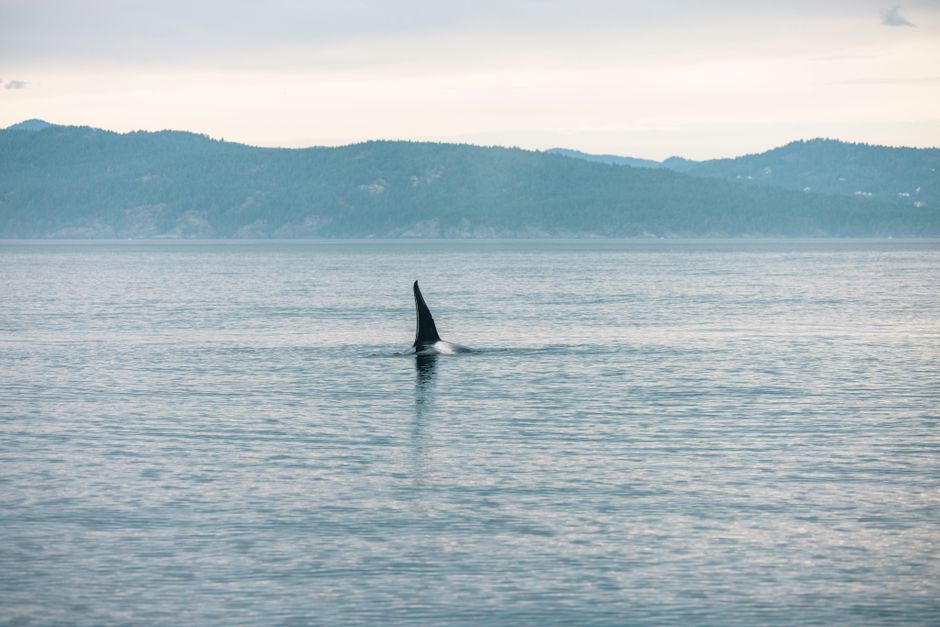
A young Bigg’s killer whale identified as T65B2 'Corvus' was found stranded on a beach between Smith and Minor islands in the Strait of Juan de Fuca on July 16, 2026. The Pacific Whale Watch Association first spotted the animal southeast of Greater Victoria, where it had likely misjudged the outgoing tide while hunting. NOAA Fisheries West Coast authorized a response team of biologists and wildlife veterinarians, including members of the SeaDoc Society, to evaluate the whale upon arrival. Medical assessments confirmed the animal was in robust physical condition with normal vital signs, leading the team to decide against physical intervention. Within 30 minutes of the incoming tide, Corvus was lifted free from the beach and later reunited with his family, the T65Bs.
The coordinated response highlighted the importance of monitoring rather than intervening when an animal is healthy and tide-dependent. The successful outcome underscored the value of collaboration between wildlife experts and the necessity of knowing when to let nature take its course. This event follows a spring 2024 incident involving a two-year-old female killer whale known as Brave Little Hunter near Zeballos, which has left ongoing uncertainty regarding her status since August 2024.
Why It Matters
The incident demonstrates the critical role of rapid, coordinated wildlife monitoring in the Salish Sea ecosystem. By relying on medical evaluation and tide timing rather than invasive intervention, responders ensured the whale's safety while minimizing stress. The reunion with the T65B pod highlights the resilience of Bigg’s killer whales when conditions allow natural recovery.
The reference to Brave Little Hunter serves as a reminder of the ongoing challenges in marine wildlife conservation. While Corvus’s release was a success, the uncertainty surrounding other stranded whales indicates that not all incidents resolve as easily. The event reinforces the need for continued funding and support for organizations like the SeaDoc Society and NOAA Fisheries West Coast.
Local Vancouver / Burnaby Context
The Strait of Juan de Fuca and the Salish Sea are key habitats for Bigg’s killer whales, which are frequently monitored by local whale-watching organizations. The Pacific Whale Watch Association, based in the region, plays a vital role in early detection of stranded or marine mammals. The proximity to Greater Victoria means that local authorities and wildlife groups are often the first responders to such incidents.
The Salish Sea is a complex ecosystem where tide patterns and hunting behaviors directly impact whale safety. The success of Corvus’s release is attributed to the specific geography of the stranding site, which allowed the tide to naturally free the animal. This contrasts with other stranding events in the region where geography may not be as favorable, leading to more complex rescue operations or unfortunate outcomes.
Market Impact
This story has no direct impact on the Greater Vancouver real estate market, housing supply, or mortgage rates. It is a wildlife conservation event in the Strait of Juan de Fuca.
Builder / Developer Perspective
This story has no direct impact on builder or developer feasibility, permitting, or construction costs in Greater Vancouver.
Risk Factors
Wildlife stranding risks remain high during extreme tide events or hunting seasons. - Ongoing uncertainty regarding the status of other stranded whales, such as Brave Little Hunter. - Dependence on coordinated response teams and funding for marine wildlife monitoring.
BurnabyHouse Insight
While this incident is a positive outcome for marine wildlife, it highlights the fragility of the Salish Sea ecosystem. The success of Corvus’s release is largely due to the specific location and tide timing, which are not always favorable. The contrast with the Brave Little Hunter case underscores the variability in outcomes for stranded whales. For local readers, it serves as a reminder of the importance of supporting marine conservation efforts in the region.
Community
Questions, Answers & Comments
Ask a question, add context, or leave a comment. Public posts appear after review.
No public questions or comments yet. Be the first to ask.