B.C. Crossings to Washington Down 43% as Bellingham Residents Miss Canadian Shoppers
Key Takeaways
- What happened
- Southbound travel from British Columbia into Washington state fell by 43 per cent in June 2026 compared to June 2025, marking a fifth consecutive month of declining border crossings.
- Location
- Global markets / U.S. (indirect for Metro Vancouver)
- Key points
-
- The sharp decline in cross-border travel highlights the immediate economic ripple effects of…
- 43% decrease in June 2026 compared to June 2025.
- 88,686 fewer recorded crossings in June 2026.
- Local impact
- For residents in Vancouver, Burnaby, and the Lower Mainland, the drop in southbound travel means fewer opportunities for cross-border shopping and tourism, which has historically been a significant part of the regional economy. For Metro Vancouver buyers, sellers, developers and investors, watch financing cost, transaction pace, supply mix and policy expectations.
- Who should watch
- ['Monitor trade negotiation outcomes closely, as they will directly influence cross-border travel and shopping trends.', 'Consider the impact of reduced cross-border traffic on retail and hospitality investments in Bellingham and other…



What Happened
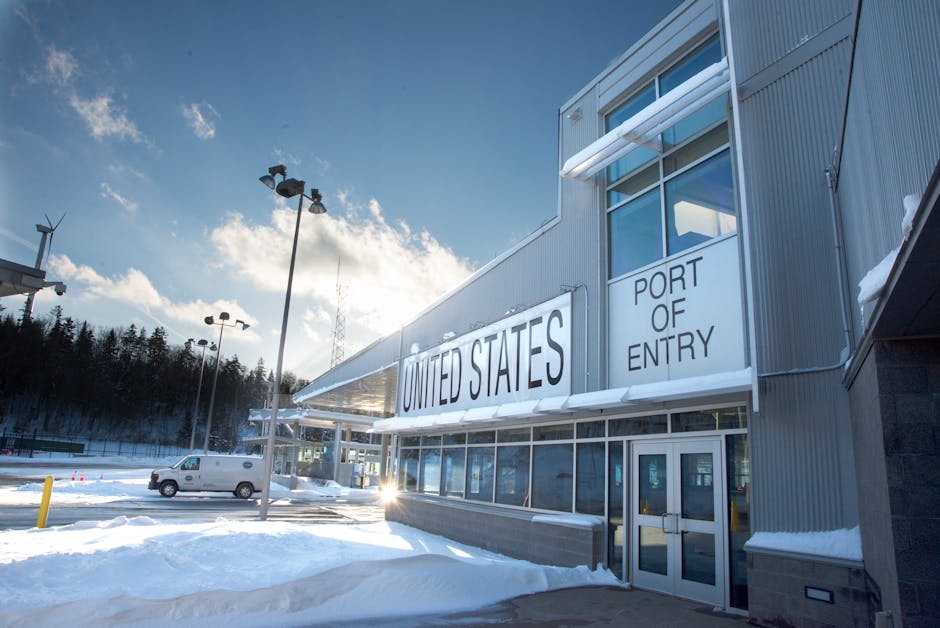
Southbound travel from British Columbia into Washington state fell by 43 per cent in June 2026 compared to June 2025, marking a fifth consecutive month of declining border crossings. Data from the Whatcom Council of Governments shows this drop resulted in 88,686 fewer recorded crossings in June alone, continuing a sharp decline that began in February 2025. The decrease is attributed to ongoing trade talks between Canada and the U.S., which have significantly impacted cross-border tourism and shopping traffic. While travel increased by approximately 45,000 people in April, May, and June 2026 compared to the same period in 2025, the overall trend remains downward compared to pre-tariff levels. U.S. President Donald Trump began discussing tariffs on Canadian goods in February 2025, prompting the drop in travel that has persisted for five months. The resumption of trade negotiations followed the federal government scrapping a tax targeting large U.S. technology firms, but the immediate effect on border traffic has been a significant reduction in visitors. Bellingham city council and the mayor have written a letter to B.C. cities expressing their commitment to Canada amidst these economic shifts.
Why It Matters
The sharp decline in cross-border travel highlights the immediate economic ripple effects of Canada-U.S. trade tensions on local communities. For border municipalities like Bellingham, the loss of Canadian shoppers represents a tangible hit to retail and hospitality sectors that previously relied on this traffic. The nostalgia expressed by residents for the busy Costco and Trader Joe's days underscores how quickly consumer behavior can shift in response to political and economic uncertainty. This trend also signals broader challenges for Destination B.C. and local tourism operators who are seeing accommodation improvements but face headwinds from reduced inbound traffic. The situation illustrates the delicate balance between diplomatic negotiations and the real-world impact on small border economies that depend on cross-border fluidity.
Local Vancouver / Burnaby Context
For residents in Vancouver, Burnaby, and the 低陆平原, the drop in southbound travel means fewer opportunities for cross-border shopping and tourism, which has historically been a significant part of the regional economy. The decline in border crossings affects not just Bellingham but also other border points like Lynden and Sumas, where traffic patterns have shifted dramatically since February 2025. Local tourism operators in B.C. are seeing some recovery in hotel occupancy from January to May compared to the previous year, but the overall trend remains sensitive to trade policy outcomes. The increased air bookings from the U.S. for the summer suggest a potential rebound in tourism, but ground travel remains suppressed. This dynamic impacts local businesses that cater to cross-border visitors, from gas stations to retail stores, and highlights the interconnectedness of the B.C.-Washington economy.
Market Impact
The reduction in cross-border traffic is likely to dampen retail sales in Bellingham and surrounding Washington communities, particularly in sectors like groceries, electronics, and warehouse clubs. For B.C. residents, the decline in travel may lead to reduced access to lower-priced goods and services, potentially increasing costs for those who previously shopped across the border. The hospitality sector in B.C. may see mixed results, with some recovery in domestic tourism offset by the loss of American visitors. Local businesses in border towns may face revenue pressures as the flow of customers shifts, requiring adaptation to new economic realities. The overall market impact will depend on the outcome of trade talks and whether cross-border travel resumes to previous levels.
Investor / Buyer Takeaway
- Monitor trade negotiation outcomes closely, as they will directly influence cross-border travel and shopping trends.
- Consider the impact of reduced cross-border traffic on retail and hospitality investments in Bellingham and other border communities.
- Be aware that B.C. tourism operators may face continued headwinds despite some recovery in hotel occupancy.
- Watch for shifts in consumer behavior, such as increased air travel versus ground travel, as indicators of economic confidence.
- Evaluate the long-term implications of trade tensions on local economies that rely on cross-border fluidity.
Builder / Developer Perspective
The decline in cross-border travel has limited direct impact on residential construction and development in B.C., as the primary drivers of housing demand are domestic factors like interest rates and immigration. However, the economic uncertainty surrounding trade talks may indirectly affect consumer confidence and spending power, which can influence housing market dynamics. Developers in border communities may need to adjust their marketing strategies to focus more on domestic buyers if cross-border traffic does not recover. The situation highlights the importance of diversifying economic bases for border towns to mitigate risks associated with political and trade volatility.
Risk Factors
- Prolonged trade tensions could lead to a sustained decline in cross-border travel, impacting local economies.
- Uncertainty in trade negotiations may create volatility in consumer spending and business investment.
- Reduced tourism traffic could affect hospitality and retail revenues in border communities.
- Shifts in consumer behavior, such as increased air travel, may alter traditional economic patterns.
- Policy changes related to tariffs or taxes could have unforeseen consequences on cross-border commerce.
BurnabyHouse Insight
The nostalgia for Canadian shoppers in Bellingham is a stark reminder of how quickly economic relationships can fray under political pressure. While trade talks are ongoing, the immediate effect is a palpable chill in cross-border commerce, with B.C. travelers staying home and Bellingham residents missing the familiar faces. This isn't just a story about Costco lines; it's a case study in how trade policy ripples through local economies, affecting everything from retail sales to community sentiment. For B.C. residents, the drop in travel means fewer options for cross-border shopping, but it also highlights the resilience of local businesses and the potential for a rebound if diplomatic relations improve. The key takeaway is that economic interdependence is fragile, and the costs of trade disputes are borne by everyday people on both sides of the border.
Community
Questions, Answers & Comments
Ask a question, add context, or leave a comment. Public posts appear after review.
No public questions or comments yet. Be the first to ask.