South Korea May Exports Hit Record $87.75 Billion on AI Chip Demand
Key Takeaways
- What happened
- South Korea reported record exports of $87.75 billion in May, marking a 53.2% year-over-year increase and the strongest annual growth rate since January 1984.
- Location
- South Korea
- Key points
-
- This export performance underscores the critical role of the semiconductor sector in South…
- Exports rose 53.2% from a year earlier May
- Central bank raised economic growth forecast for this year to 2.6% Last week
- Local impact
- Macro data and market sentiment typically feed into rates, energy prices and financing expectations first, then into Canadian mortgage rates, development financing and Metro Vancouver housing supply, demand and pricing expectations.
- Who should watch
- ['Monitor global tech trends as they can influence local investment confidence and property values in tech-adjacent neighborhoods.', 'Watch for inflationary pressures from rising import and energy costs, which may affect mortgage rates and…
Generating audio…



What Happened
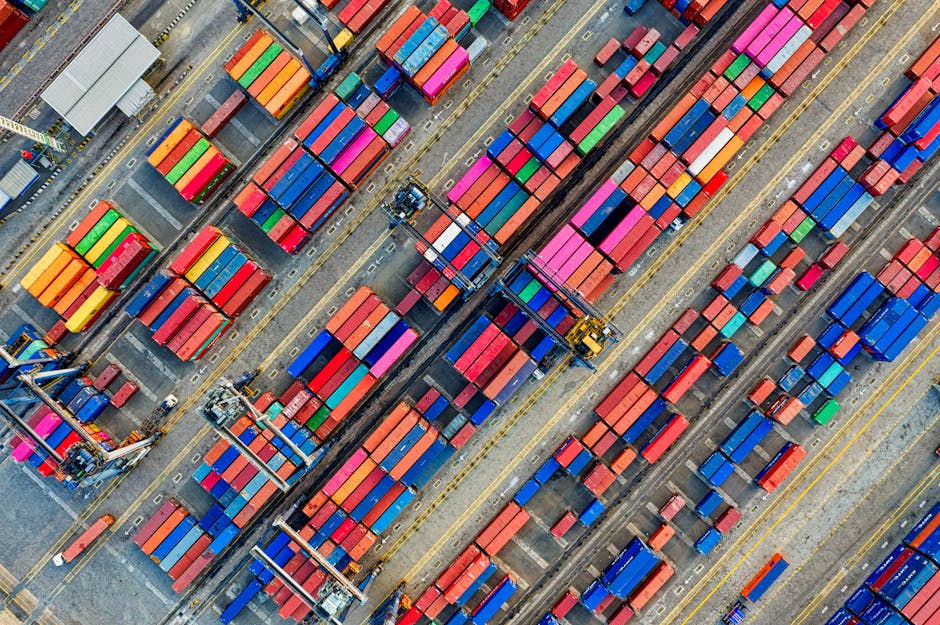
South Korea reported record exports of $87.75 billion in May, marking a 53.2% year-over-year increase and the strongest annual growth rate since January 1984. The surge was primarily driven by semiconductor shipments, which jumped 169.4% to a record $37.16 billion, fueled by global artificial intelligence investment. Computer sales also surged 290.7% as demand for AI servers intensified, while petroleum product exports climbed 46.6% due to high oil prices. Despite the overall growth, automobile exports fell 5.9% due to supply disruptions in the Middle East, and imports rose 20.8% to $60.80 billion, resulting in a trade surplus of $26.95 billion. The central bank recently raised its economic growth forecast for the year to 2.6%, and the KOSPI stock index rose more than 2% in morning trade on June 1.
Why It Matters
This export performance underscores the critical role of the semiconductor sector in South Korea's economic stability and global trade position. The massive increase in chip and computer exports highlights the accelerating demand for AI infrastructure, which is reshaping global supply chains and investment flows. The widening trade surplus indicates strong external demand, although the drop in auto exports and rising imports suggest underlying vulnerabilities in specific sectors and energy costs. The central bank's upward revision of growth forecasts reflects growing confidence in the economy's resilience, supported by the tech boom. This data serves as a key indicator of global technology trends and their immediate impact on trade-reliant economies.
Local Vancouver / Burnaby Context
While South Korea's export data reflects global technology trends, local housing markets in Burnaby and Vancouver are influenced by broader economic indicators such as interest rates and global trade stability. The BC Housing Supply Act provides the regulatory framework for increasing housing density, which is crucial for managing supply in high-demand areas. Additionally, the BC Short-Term Rental Accommodations Act regulates platform service providers, impacting the rental market dynamics in cities like Burnaby and Vancouver. These local policies aim to balance housing affordability and supply with the economic pressures driven by global factors, including trade and investment flows. The stability of global tech sectors can indirectly affect local investment confidence and property values, though direct causal links are complex and mediated by local regulatory environments.
Market Impact
The strong export performance suggests robust global demand for technology, which can positively influence investor sentiment in related sectors. For the housing market, stable global trade and economic growth can support property values and investment confidence. However, rising import costs and energy prices may contribute to inflationary pressures, potentially affecting mortgage rates and affordability. The decline in auto exports highlights supply chain vulnerabilities that could impact broader economic stability. Investors should monitor how these global trends translate into local economic conditions, particularly in terms of employment and income growth in tech-related industries.
Investor / Buyer Takeaway
- Monitor global tech trends as they can influence local investment confidence and property values in tech-adjacent neighborhoods.
- Watch for inflationary pressures from rising import and energy costs, which may affect mortgage rates and affordability.
- Consider the impact of global supply chain disruptions on economic stability and local market sentiment.
- Evaluate the effectiveness of local housing policies, such as the BC Housing Supply Act, in addressing supply constraints.
- Stay informed about regulatory changes in the short-term rental market, which can affect rental income and property management.
Builder / Developer Perspective
The strong demand for AI infrastructure highlights the ongoing need for commercial and industrial real estate to support tech growth. Developers may find opportunities in projects that cater to the expanding tech sector, such as office spaces and data centers. However, rising construction costs and supply chain disruptions, as seen in the auto industry, could pose challenges for new developments. The regulatory environment, including the BC Housing Supply Act, provides opportunities for increasing density but requires careful navigation of zoning and permitting processes. Builders should focus on efficiency and cost management to maintain feasibility in a competitive market.
Risk Factors
- Global supply chain disruptions could impact construction material availability and costs.
- Rising interest rates due to inflationary pressures may reduce buyer affordability and demand.
- Regulatory changes in housing and rental markets could affect development timelines and profitability.
- Economic volatility in key export markets may influence local investment confidence.
- Energy price fluctuations could increase operational costs for both residential and commercial properties.
BurnabyHouse Insight
South Korea's record export performance highlights the transformative impact of AI on global trade, with significant implications for local economies. While Burnaby and Vancouver benefit from stable economic conditions, the interplay between global tech trends and local housing policies remains critical. The BC Housing Supply Act and Short-Term Rental Accommodations Act play pivotal roles in shaping the local real estate landscape, balancing growth with affordability. Investors and buyers should remain vigilant about how global economic shifts translate into local market dynamics, particularly in terms of affordability and investment opportunities.
Community
Questions, Answers & Comments
Ask a question, add context, or leave a comment. Public posts appear after review.
No public questions or comments yet. Be the first to ask.