Rising petrol prices drive down profits at the pump: FP Video investigates
Start with reported facts, then read the Burnaby, Vancouver and BC real estate implications. BurnabyHouse separates facts, local context, buyer/investor takeaways and risk factors so commentary does not become reported fact.
What Happened
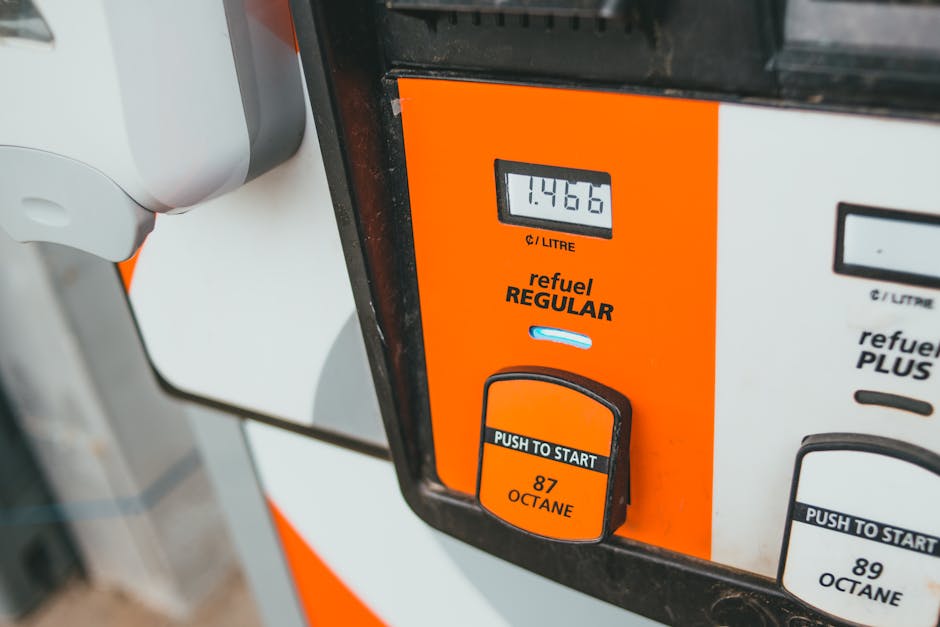
Rising petrol prices are driving down profits at the pump, according to the verified report details. The report focuses on a local gas station in Alberta. The setting is a global energy crisis. The central business issue is that higher petrol prices do not automatically translate into stronger pump-level profits.
The report examines what it takes to keep the pumps flowing at the Alberta station. It frames the station as a local operator dealing with cost and pricing pressure while fuel prices rise. The affected business activity is retail fuel sales at the pump. The geography identified in the verified facts is Alberta.
No company, owner, executive, government body, or named person is identified in the verified extraction. No money amount, margin figure, sales total, tax number, or fuel-price benchmark is included in the verified extraction. No publication date, event date, vote, court process, policy decision, or regulatory change is included in the verified extraction. The reported change is operational and financial: petrol prices are rising, and pump profits are being driven down.
Why It Matters
For real-estate readers, the useful signal is not the pump price alone; it is the margin pressure behind a basic operating cost. When fuel prices rise but local pump profits fall, it shows that businesses tied to daily transportation can face a squeeze even when consumers see higher prices. That matters because property owners, builders, landlords, and local service operators all rely on transportation-heavy supply chains, maintenance routes, trades, deliveries, and commuting patterns.
The Alberta station example is not a Greater Vancouver housing story by itself, but it is a reminder that inflation pressure often moves through the economy unevenly. A higher visible price can create the impression that every operator in the chain is benefiting, while the verified facts here point to the opposite at the pump level: rising petrol prices are reducing profits for the local gas-station operation being examined.
Local Vancouver / Burnaby Context
For Burnaby and Vancouver readers, the local relevance is practical rather than geographic. A fuel-margin squeeze at an Alberta gas station does not directly change Burnaby zoning, Vancouver permitting, strata rules, or local property taxes. But it does connect to a broader cost-of-living and business-cost environment that property owners and housing-market participants already watch closely.
In Greater Vancouver real estate, fuel costs can matter through the operating side of the market: contractors moving crews, small landlords coordinating repairs, delivery-based services supporting buildings, and households weighing commute costs. This article’s verified facts do not provide Vancouver fuel prices or local construction-cost data, so the local takeaway should stay narrow: rising petrol prices can pressure businesses even when the consumer-facing price appears high.
BurnabyHouse readers should treat this as a cost-chain story, not a direct housing-supply announcement. There is no verified local development application, sales result, rental-policy change, or municipal decision in the extracted facts. The value for local market watchers is the reminder that inflation pressures can show up in operating margins before they show up in headline housing decisions.
Market Impact
The direct market impact on Burnaby or Vancouver housing is limited because the verified facts concern a local gas station in Alberta, not a local property transaction, development site, lending rule, tax change, or housing policy. The indirect impact is more about sentiment and operating costs: if fuel-related expenses remain volatile, households may become more sensitive to commute distance, and small property-related businesses may become more cautious about pricing, service areas, or project timing.
For owners and investors, this is a background-cost signal rather than a valuation trigger. It does not by itself support a change in home prices, rents, cap rates, land values, or redevelopment feasibility. But it reinforces why local real-estate decisions should be stress-tested against everyday cost pressure, not only mortgage rates and listing inventory.
Investor / Buyer Takeaway
- Buyers should remember that commuting and vehicle costs can affect monthly affordability even when the purchase price or mortgage payment gets most of the attention.
- Sellers should not assume higher consumer prices automatically mean stronger business confidence; the verified facts show pump-level profit pressure during rising petrol prices.
- Investors with transportation-dependent tenants or service providers should watch operating-cost sensitivity, especially where margins are already thin.
- Small landlords and owner-operators should budget conservatively for maintenance trips, contractor visits, and service calls when fuel costs are volatile.
- This report does not provide a direct Burnaby or Vancouver housing-price signal, so it should be treated as macro cost context rather than a local market forecast.
Builder / Developer Perspective
The builder and developer impact is indirect. The verified facts do not identify a construction project, lender, permit, land assembly, building type, or development-cost figure. Still, fuel-price pressure is relevant to builders because construction activity depends on movement: trades, materials, equipment, inspections, and site servicing all involve transportation. If fuel costs rise while margins narrow for related operators, developers may face a more cautious supplier environment, less flexibility on service pricing, or added sensitivity in construction budgeting.
For feasibility work, the lesson is to keep cost contingencies realistic. The Alberta gas-station example does not prove a specific construction-cost increase in Greater Vancouver, but it supports the broader discipline of stress-testing project economics against operating-cost volatility.
Risk Factors
- Fuel-cost volatility can affect household budgets, especially for buyers weighing longer commutes against housing affordability.
- Businesses tied to property maintenance, delivery, and contractor travel may have less room to absorb higher fuel-related costs if their own margins are squeezed.
- Investors should avoid treating rising consumer prices as automatic evidence of stronger operator profits.
- Builder budgets can be exposed to transportation-sensitive costs even when the original pressure appears outside the real-estate sector.
- Because the verified facts do not include local housing data, readers should avoid overextending this Alberta gas-station example into a Burnaby price forecast.
BurnabyHouse Insight
The useful BurnabyHouse read is simple: this is a margin story hiding inside a price story. When petrol prices rise, consumers see the pump number first, but operators may be dealing with weaker economics behind the counter. For Greater Vancouver real-estate readers, that matters because housing decisions are increasingly shaped by total monthly carrying cost, not just the sale price. Fuel is not the main driver of the housing market, but it is one of the everyday costs that can quietly change how buyers think about location, how owners budget for services, and how builders price uncertainty.
Gary Gao | Principal Real Estate Advisor · Licensed Home Builder · Former Municipal Insider
Decoding Greater Vancouver Real Estate: Leveraging Zoning, Driven by Data
Q: “Why should Greater Vancouver buyers trust a multi-discipline advisor?”
A: “Having lived in Canada for 26 years, I am not just a witness to Metro Vancouver's urban evolution, but a decoder of its underlying wealth logic .”