EU-US Trade Deal: 15% Tariff Set as Merz Cites Pact Against US Drug Probe
Key Takeaways
- What happened
- German Chancellor Friedrich Merz expressed dissatisfaction with the outcome of trade negotiations between the European Union and the United States, stating that a more favorable result simply wasn’t achievable.
- Location
- Germany
- Key points
-
- The establishment of a 15% import tariff on most EU goods represents a compromise that falls…
- Sunday: Trade agreement announced establishing a 15% import tariff on most EU goods
- Monday: Friedrich Merz spoke at a Berlin press conference about the trade deal and its…
- Local impact
- This international trade development occurs against a backdrop of significant economic activity in British Columbia. The B.C. government is currently ramping up its economic push with $88 billion in major projects, aiming to bolster regional growth and infrastructure. For Metro Vancouver buyers, sellers, developers and investors, watch financing cost, transaction pace, supply mix and policy expectations.
- Who should watch
- - Monitor the impact of the 15% EU-US tariff on global supply chains and related investment opportunities. - Note that the automotive sector faces a reduced but still significant tariff burden (15% vs. 27.5%).



What Happened
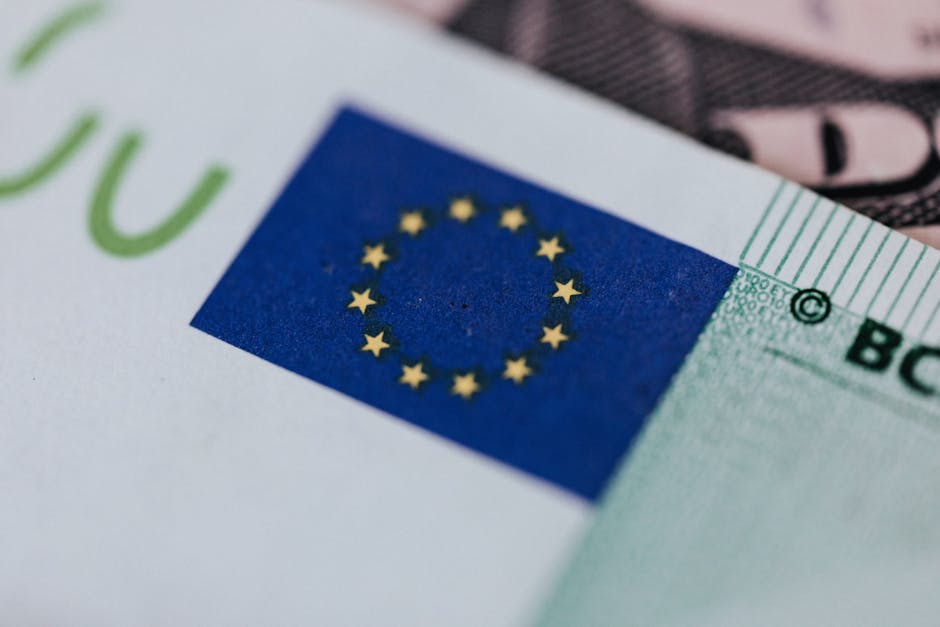
German Chancellor Friedrich Merz expressed dissatisfaction with the outcome of trade negotiations between the European Union and the United States, stating that a more favorable result simply wasn’t achievable. The trade agreement, announced on Sunday, establishes a 15% import tariff on most EU goods, a rate lower than the 30% previously threatened by U.S. President Donald Trump but higher than the zero-tariff arrangement initially sought. On Monday, Merz spoke at a Berlin press conference to address the deal's implications, noting that the agreed tariffs would inflict significant damage on the German economy. The European Commission conducted tireless negotiations with U.S. officials, with the German, French, and Italian governments playing particularly involved roles in the process. The deal also reduced the tariff rate on Europe’s automotive sector from 27.5% to 15%.
Why It Matters
The establishment of a 15% import tariff on most EU goods represents a compromise that falls short of the zero-tariff arrangement initially sought by European leaders. While the rate is lower than the 30% tariff threatened by U.S. President Donald Trump, it remains a serious burden for Germany’s export-oriented economy. Merz’s public dissatisfaction highlights the tension between securing a trade pact and the economic reality of reduced market access for European manufacturers.
Local Vancouver / Burnaby Context
This international trade development occurs against a backdrop of significant economic activity in British Columbia. The B.C. government is currently ramping up its economic push with $88 billion in major projects, aiming to bolster regional growth and infrastructure. Simultaneously, the province faces complex regulatory challenges, including potential suspensions of more than 24,000 immigration documents due to border measures. These local dynamics underscore the broader global context in which international trade agreements and economic policies are being negotiated, affecting both global supply chains and local economic strategies.
Market Impact
The 15% tariff on EU goods will likely increase costs for European exporters to the U.S., potentially affecting global trade flows and pricing strategies. For the automotive sector, the reduction from 27.5% to 15% offers some relief but still imposes a significant cost burden. Investors and businesses should monitor how these tariffs influence global supply chain decisions and market liquidity in affected industries.
Investor / Buyer Takeaway
- Monitor the impact of the 15% EU-US tariff on global supply chains and related investment opportunities.
- Note that the automotive sector faces a reduced but still significant tariff burden (15% vs. 27.5%).
- Be aware of the broader economic context, including B.C.'s $88 billion project push and immigration document suspensions.
- Watch for further developments in U.S.-EU trade relations and their effect on international markets.
- Consider the implications of Merz's dissatisfaction for future trade negotiations and policy stability.
Builder / Developer Perspective
The direct impact on local builders and developers in Burnaby and Vancouver is limited, as the tariff primarily affects EU-US trade. However, the broader global economic uncertainty and trade tensions can influence financing costs and material prices. Developers should remain vigilant regarding international trade policies that could indirectly affect the Canadian market through global economic shifts.
Risk Factors
- Global trade tensions could lead to further economic instability and market volatility.
- Increased tariffs on EU goods may disrupt supply chains and increase costs for global businesses.
- Merz's dissatisfaction with the deal could lead to future trade disputes or policy changes.
- Local economic projects in B.C. may face challenges if global economic conditions deteriorate.
- Immigration document suspensions could impact labor availability for local projects.
BurnabyHouse Insight
While the EU-US trade deal dominates international headlines, local readers in Burnaby and Vancouver should recognize that global trade policies often have indirect effects on local markets. The B.C. government's $88 billion project push is a critical counterbalance to global uncertainty, but developers and investors must navigate a complex landscape of international trade tensions and local regulatory challenges. The key takeaway is to focus on local economic drivers while keeping an eye on global policy shifts that could influence financing and material costs.
Community
Questions, Answers & Comments
Ask a question, add context, or leave a comment. Public posts appear after review.
No public questions or comments yet. Be the first to ask.