Metro Vancouver gas prices jump to $1.99/litre amid Iran conflict
Key Takeaways
- What happened
- Gas prices in Metro Vancouver surged overnight on Tuesday, with average costs now hovering between $1.98 and $1.99 per litre.
- Location
- Global markets / U.S. / Middle East (indirect for Metro Vancouver)
- Key points
-
- The rapid escalation of fuel costs in Metro Vancouver directly impacts household budgets and…
- Trump proposed charging a 20 per cent fee Tuesday
- Gas prices jumped overnight Tuesday
- Local impact
- Metro Vancouver residents are already navigating high costs of living, making this sudden spike in fuel prices particularly acute. While the primary driver is international conflict, the local impact is felt immediately at the pump, with prices consistently hovering near the $2 mark. For Metro Vancouver buyers, sellers, developers and investors, watch financing cost, transaction pace, supply mix and policy expectations.
- Who should watch
- ['Monitor fuel costs closely as they may continue to rise, impacting personal budgets and business operating costs.', 'Consider the broader economic implications of sustained high energy prices, including potential inflation in goods and…



What Happened
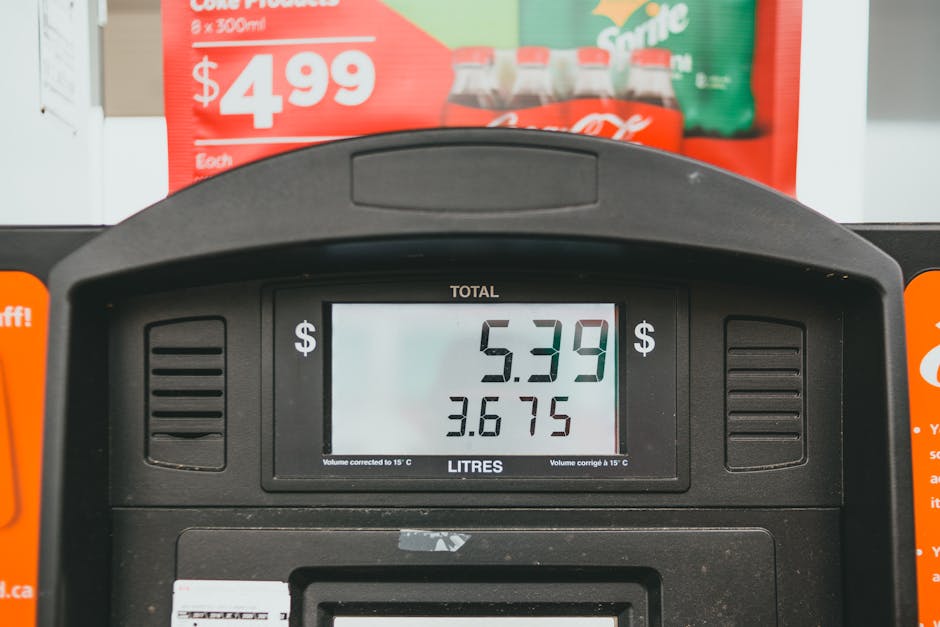
Gas prices in Metro Vancouver surged overnight on Tuesday, with average costs now hovering between $1.98 and $1.99 per litre. This jump represents an increase of five to 10 cents per litre, driven primarily by rising global oil prices linked to the ongoing conflict between Iran and the United States. Analysts warn that the closure of the Strait of Hormuz is creating a supply bottleneck that is exacerbating the shortage. Dan McTeague, a petroleum analyst, anticipates that prices could reach $2.15 per litre by mid-summer as strategic petroleum reserves face pressure. The volatility is expected to continue as geopolitical tensions in the region persist. U.S. President Donald Trump recently dropped a proposed 20 per cent fee on cargo shipped through the Strait of Hormuz, opting instead for trade and investment deals with Gulf states. Despite this diplomatic shift, experts note that the physical supply constraints remain a critical factor in the current market.
Why It Matters
The rapid escalation of fuel costs in Metro Vancouver directly impacts household budgets and regional logistics, contributing to broader inflationary pressures. As the Strait of Hormuz remains a critical chokepoint for global oil supply, its instability ensures that local pump prices will remain sensitive to international geopolitical developments. The projected rise to $2.15 per litre by mid-summer suggests that consumers should prepare for sustained sticker shock, affecting everything from daily commuting to the cost of goods transported by truck. This environment also highlights the fragility of energy supply chains when major trade routes are threatened by conflict.
Local Vancouver / Burnaby Context
Metro Vancouver residents are already navigating high costs of living, making this sudden spike in fuel prices particularly acute. While the primary driver is international conflict, the local impact is felt immediately at the pump, with prices consistently hovering near the $2 mark. The region's reliance on road transport for goods means that energy price volatility translates quickly into higher prices for groceries and other essentials. Local analysts and experts are monitoring the situation closely, noting that the closure of the Strait of Hormuz is a significant risk factor for continued price increases. The economic pressure on households is compounded by the lack of immediate relief, as global supply tensions are not expected to ease soon.
Market Impact
The surge in gas prices is likely to reduce discretionary spending among Metro Vancouver residents, potentially impacting retail and service sectors. Higher transportation costs may also influence consumer sentiment regarding the broader economy, leading to increased caution in major purchases. For the energy sector, the volatility creates uncertainty for both suppliers and consumers, with prices remaining highly sensitive to news from the Middle East. The potential for prices to exceed $2.15 per litre could further strain household finances, particularly for those who rely heavily on personal vehicles for work and daily activities.
Investor / Buyer Takeaway
Monitor fuel costs closely as they may continue to rise, impacting personal budgets and business operating costs. - Consider the broader economic implications of sustained high energy prices, including potential inflation in goods and services. - Stay informed about geopolitical developments in the Middle East, as they are the primary driver of current oil price volatility. - Evaluate transportation needs and costs, as higher fuel prices may affect commuting and logistics expenses. - Be cautious of short-term market fluctuations and avoid making impulsive financial decisions based on temporary price spikes.
Builder / Developer Perspective
Higher fuel costs increase transportation expenses for construction materials and equipment, potentially impacting project budgets and timelines. Developers may face increased logistical challenges as suppliers adjust prices to account for rising energy costs. The volatility in oil prices adds uncertainty to construction planning, making it harder to forecast final project costs accurately.
Risk Factors
Continued geopolitical instability in the Middle East could lead to further spikes in oil and gas prices. - Prolonged closure of the Strait of Hormuz may exacerbate global supply shortages, keeping prices elevated. - Rising energy costs could contribute to broader inflation, affecting consumer spending and economic growth. - Potential for strategic petroleum reserves to reach limits, reducing the buffer against supply shocks. - Economic uncertainty may lead to reduced consumer confidence and slower economic activity in the region.
BurnabyHouse Insight
The current gas price surge in Metro Vancouver is a stark reminder of how global geopolitical events can have immediate and tangible impacts on local living costs. While the primary driver is the conflict between Iran and the U.S., the local effect is felt through higher fuel prices that squeeze household budgets. The projection of prices reaching $2.15 per litre by mid-summer suggests that this is not a temporary blip but a sustained pressure. For residents and businesses, this means preparing for a period of higher operational costs and reduced discretionary income. The situation underscores the importance of energy security and the vulnerabilities inherent in relying on global supply chains for essential resources.
Community
Questions, Answers & Comments
Ask a question, add context, or leave a comment. Public posts appear after review.
No public questions or comments yet. Be the first to ask.