Crusoe Pauses Wyoming Data Center Project While Touting 5 Gigawatts in Contracts
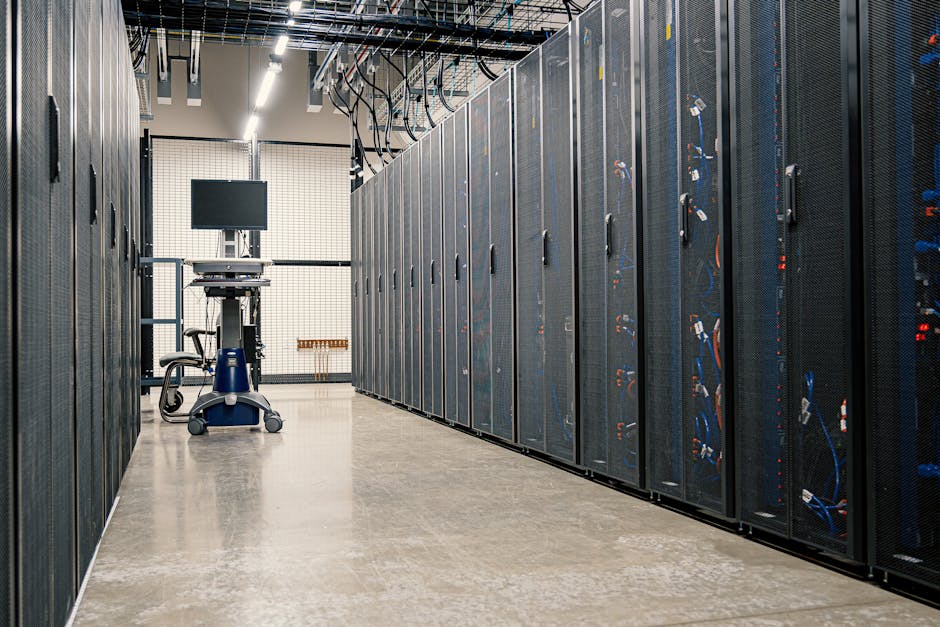
Start with reported facts, then read the Burnaby, Vancouver and BC real estate implications. BurnabyHouse separates facts, local context, buyer/investor takeaways and risk factors so commentary does not become reported fact.
What Happened
Crusoe, a developer of artificial intelligence data centers, announced that it has secured contracts for nearly 5 gigawatts of capacity. This announcement comes even as the company has paused construction work on a significant project in Cheyenne, Wyoming. The paused project was a 1.8-gigawatt campus being developed in partnership with Tallgrass, an energy company backed by Blackstone Inc. Crusoe serves as an infrastructure provider for major technology clients, including OpenAI and Microsoft Corp. The company's total project pipeline currently includes more than 40 gigawatts of capacity. The decision to pause the Wyoming site highlights a divergence between the company's contractual commitments and its immediate construction activities. The partnership with Tallgrass was specifically focused on the Cheyenne location. This pause represents a strategic adjustment in the rollout of its largest single campus project. The company continues to manage a vast portfolio of contracted capacity across its broader pipeline. The specific reasons for the pause were not detailed in the initial report. The focus remains on the scale of the contracted deals versus the halted physical development.
Why It Matters
The pause of a major data center project by a key infrastructure provider signals potential shifts in the timing of AI hardware deployment. While contracts indicate strong demand from tech giants, the halt in construction suggests possible challenges in execution, financing, or supply chain logistics. This divergence between signed deals and physical progress is critical for investors monitoring the real-world rollout of AI infrastructure. It highlights the complexity of scaling energy-intensive facilities in specific geographic locations like Wyoming. The situation underscores that contractual capacity does not always translate immediately to operational power or completed buildings.
Local Vancouver / Burnaby Context
This news pertains to infrastructure development in Cheyenne, Wyoming, and does not directly involve Burnaby, Vancouver, or Greater Vancouver real estate markets. The local knowledge context for BurnabyHouse.com focuses on local housing, zoning, and development trends. There is no direct regulatory or market linkage between this specific Wyoming data center pause and the local Greater Vancouver housing market. The article serves as an industry observation regarding global AI infrastructure trends rather than a local policy update.
Market Impact
The impact on the local Greater Vancouver real estate market is negligible. Data center development in Wyoming does not directly influence local housing prices, rental rates, or land values in Burnaby or Vancouver. However, the broader trend of AI infrastructure demand may indirectly affect energy costs and industrial land use in regions with data center presence. For local investors, this story does not present immediate opportunities or risks in the residential or commercial sectors.
Investor / Buyer Takeaway
- Local residential buyers and sellers should note that this news does not affect local housing market dynamics.
- Investors monitoring global tech infrastructure should watch for follow-up details on the Wyoming project's resumption or cancellation.
- The divergence between contracted capacity and construction progress suggests caution when evaluating AI infrastructure stocks.
- No immediate action is required for local real estate portfolios based on this specific Wyoming development update.
- Monitor broader energy and tech sector trends for indirect impacts on local industrial property demand.
Builder / Developer Perspective
For local builders and developers in Burnaby and Vancouver, this story illustrates the scale of capital and energy requirements in the AI infrastructure sector. The pause of a 1.8-gigawatt project highlights the significant logistical and financial hurdles in large-scale industrial development. Local builders may observe similar challenges in securing power and zoning for large industrial projects, though the specific context of AI data centers differs from residential or commercial construction. The story serves as a case study in the complexity of executing massive infrastructure deals.
Risk Factors
- Execution risk: Paused projects may face delays, cost overruns, or cancellation, impacting investor confidence.
- Supply chain risk: The ability to secure components and labor for gigawatt-scale projects is critical and may be constrained.
- Regulatory risk: Energy and zoning regulations in development states like Wyoming can impact project timelines.
- Market risk: Shifts in AI demand or technology could render contracted capacity less valuable if not deployed quickly.
- Financing risk: Large-scale infrastructure projects require substantial capital, and pauses may signal liquidity or funding challenges.
BurnabyHouse Insight
While this story focuses on Wyoming, it reflects the intense capital allocation in the global AI infrastructure sector. For local readers, the key takeaway is the distinction between contracted capacity and physical reality. In real estate, as in data centers, signed deals do not guarantee completed projects. Investors should remain focused on local fundamentals rather than distant infrastructure pauses, as the direct impact on Greater Vancouver housing is minimal. The broader trend of energy-intensive development may eventually influence industrial land values, but for now, the local market remains driven by housing supply, zoning, and mortgage rates.
Community
Questions, Answers & Comments
Ask a question, add context, or leave a comment. Public posts appear after review.
No public questions or comments yet. Be the first to ask.
Gary Gao | Principal Real Estate Advisor · Licensed Home Builder · Former Municipal Insider
Decoding Greater Vancouver Real Estate: Leveraging Zoning, Driven by Data
Q: “Why should Greater Vancouver buyers trust a multi-discipline advisor?”
A: “Having lived in Canada for 26 years, I am not just a witness to Metro Vancouver's urban evolution, but a decoder of its underlying wealth logic .”