First Nations Chiefs Warn of Civil Disobedience Over Alberta Separation Vote
Key Takeaways
- What happened
- Treaty chiefs representing First Nations across Western Canada have declared they are willing to engage in civil disobedience to oppose Alberta Premier Danielle Smith’s upcoming separation referendum.
- Location
- Alberta
- Key points
-
- The potential for civil disobedience and legal challenges from First Nations leaders introduces…
- Referendum vote October 19, 2026 Albertans will vote on whether to stay in Canada or start the…
- Open letter to Smith's government Treaty 8 chiefs demanded the halt of the referendum process…
- Local impact
- While the primary focus of this story is on Alberta and the Treaty 8 territory, which covers over 840,000 square kilometres, the broader implications for British Columbia are notable. The Assembly of First Nations in British Columbia has also expressed concern about governments speeding up major projects at the expense of First Nations rights. For Metro Vancouver buyers, sellers, developers and investors, watch financing cost, transaction pace, supply mix and policy expectations.
- Who should watch
- ['Monitor the outcome of the October 19, 2026 referendum in Alberta for signs of political stability or further unrest.', 'Assess the risk of project delays in Western Canada due to potential First Nations-led civil disobedience.',…



What Happened
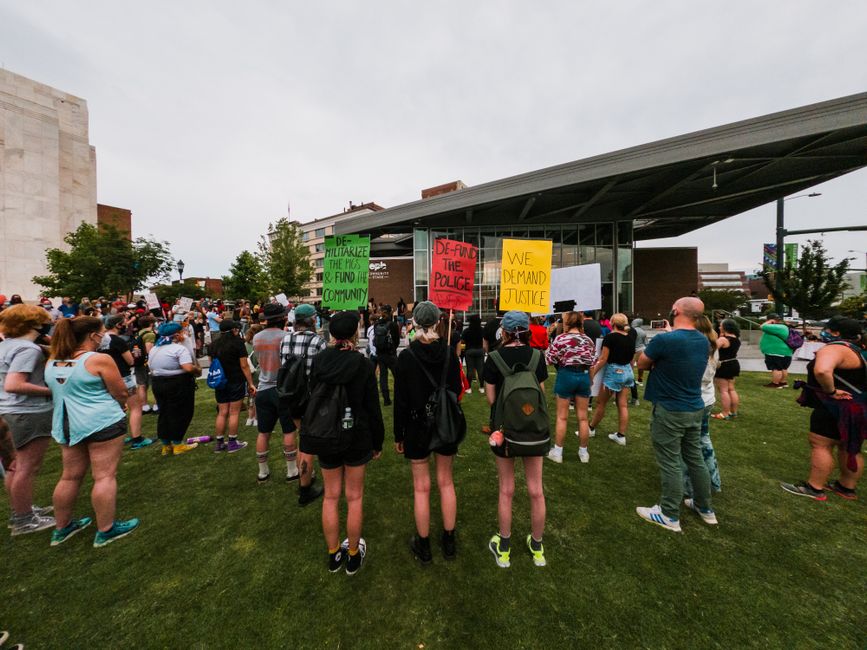
Treaty chiefs representing First Nations across Western Canada have declared they are willing to engage in civil disobedience to oppose Alberta Premier Danielle Smith’s upcoming separation referendum. The warning was issued by Treaty 8 Grand Chief Trevor Mercredi, who renewed calls for Smith to halt the vote scheduled for October 19, 2026. Mercredi stated that there can be no decisions about Alberta separating without the consultation and consent of First Nations, citing the constitutional duty to consult. The chiefs also passed resolutions at the Assembly of First Nations annual general meeting to oppose federal and provincial actions that expedite major projects if those actions undermine Indigenous rights or environmental protections. Mercredi criticized the United Conservative government for ignoring court rulings, stating that such behavior demonstrates a lack of lawfulness and has fundamentally ruined trust in the party. Manitoba Premier Wab Kinew and Alberta’s NDP opposition have also urged Smith to pause the referendum process.
Why It Matters
The potential for civil disobedience and legal challenges from First Nations leaders introduces significant uncertainty for infrastructure and resource development in Western Canada. If Treaty chiefs follow through on their threats to block projects, it could delay or halt major industrial developments that rely on stable regulatory environments. The conflict highlights the tension between provincial political ambitions regarding Confederation and the constitutional rights of Indigenous peoples. This situation may also impact national political stability, as the federal government and other provinces respond to the separatist movement in Alberta. The involvement of the Assembly of First Nations suggests a coordinated regional response that could influence future negotiations on resource development and land rights.
Local Vancouver / Burnaby Context
While the primary focus of this story is on Alberta and the Treaty 8 territory, which covers over 840,000 square kilometres, the broader implications for British Columbia are notable. The Assembly of First Nations in British Columbia has also expressed concern about governments speeding up major projects at the expense of First Nations rights. This regional solidarity among Indigenous leaders could affect the pace of development projects in BC, particularly those in northern regions overlapping with Treaty territories. Local readers should be aware that political instability in Alberta can have ripple effects on cross-border trade, energy markets, and interprovincial relations, which are critical for the Greater Vancouver economy. The constitutional debates surrounding the Clarity Act and Treaty No. 8 are central to understanding the legal landscape for any major project in the West.
Market Impact
Investors and businesses involved in Western Canadian infrastructure, energy, and resource sectors may face increased risk of delays due to potential protests and legal challenges. The uncertainty surrounding the separation vote could lead to volatility in regional markets and affect investor confidence in Alberta’s political stability. For the broader Canadian market, the situation may influence federal policy responses and intergovernmental relations, potentially impacting national economic planning. Buyers and sellers in real estate markets near major development zones might see fluctuations in sentiment as political risks are assessed.
Investor / Buyer Takeaway
Monitor the outcome of the October 19, 2026 referendum in Alberta for signs of political stability or further unrest. - Assess the risk of project delays in Western Canada due to potential First Nations-led civil disobedience. - Consider the impact of constitutional debates on resource sector investments and regulatory environments. - Watch for federal government responses to the separation vote and their effect on national economic policy. - Evaluate cross-border trade implications for businesses operating between Alberta and British Columbia.
Builder / Developer Perspective
Developers and builders in Western Canada may face heightened scrutiny and potential opposition from Indigenous communities for major projects. The threat of civil disobedience could lead to increased costs for security, legal compliance, and project timeline management. Permitting processes may become more complex as governments navigate the duty to consult and constitutional obligations. Investors may demand higher risk premiums for projects in regions with political instability related to the separation vote.
Risk Factors
Political instability in Alberta due to the separation referendum and potential civil unrest. - Legal challenges from First Nations groups based on constitutional rights and treaty obligations. - Delays in major infrastructure and resource projects due to protests and blockades. - Regulatory uncertainty as federal and provincial governments respond to the separatist movement. - Impact on investor confidence and capital flows into Western Canadian markets.
BurnabyHouse Insight
The conflict between Alberta’s separatist ambitions and First Nations rights underscores the fragility of political consensus in Western Canada. For local readers, this highlights the importance of monitoring constitutional developments and their potential impact on regional stability. The coordinated response from Indigenous leaders across treaties suggests a powerful force that can shape the future of resource development and political boundaries in the West. Understanding these dynamics is crucial for anyone involved in cross-border trade, investment, or policy analysis in Canada.
Community
Questions, Answers & Comments
Ask a question, add context, or leave a comment. Public posts appear after review.
No public questions or comments yet. Be the first to ask.