Carney caught on hot mic pitching Chinese EV import deal to Trump at G7
Key Takeaways
- What happened
- Prime Minister Mark Carney was caught on a hot microphone at the G7 Summit in Évian-les-Bains, France, pitching Canada’s plan to import up to 49,000 Chinese electric vehicles to U.S.. President Donald Trump.
- Location
- Canada
- Key points
-
- This exchange highlights the tangible costs of Canada’s diplomatic pivot toward China,…
- At the G7 Summit in France, Prime Minister Mark Carney approached U.S.
- Carney explained the deal allowing Canada to import up to 49,000 Chinese EVs at a lower tariff…
- Local impact
- For Metro Vancouver residents, the influx of affordable Chinese EVs could significantly impact the local automotive market, which is already sensitive to price fluctuations and supply chain dynamics. For Metro Vancouver buyers, sellers, developers and investors, watch financing cost, transaction pace, supply mix and policy expectations.
- Who should watch
- - Buyers may benefit from increased competition and lower prices for electric vehicles, particularly if the government’s target of sub-$35,000 pricing is met.
Generating audio…



What Happened
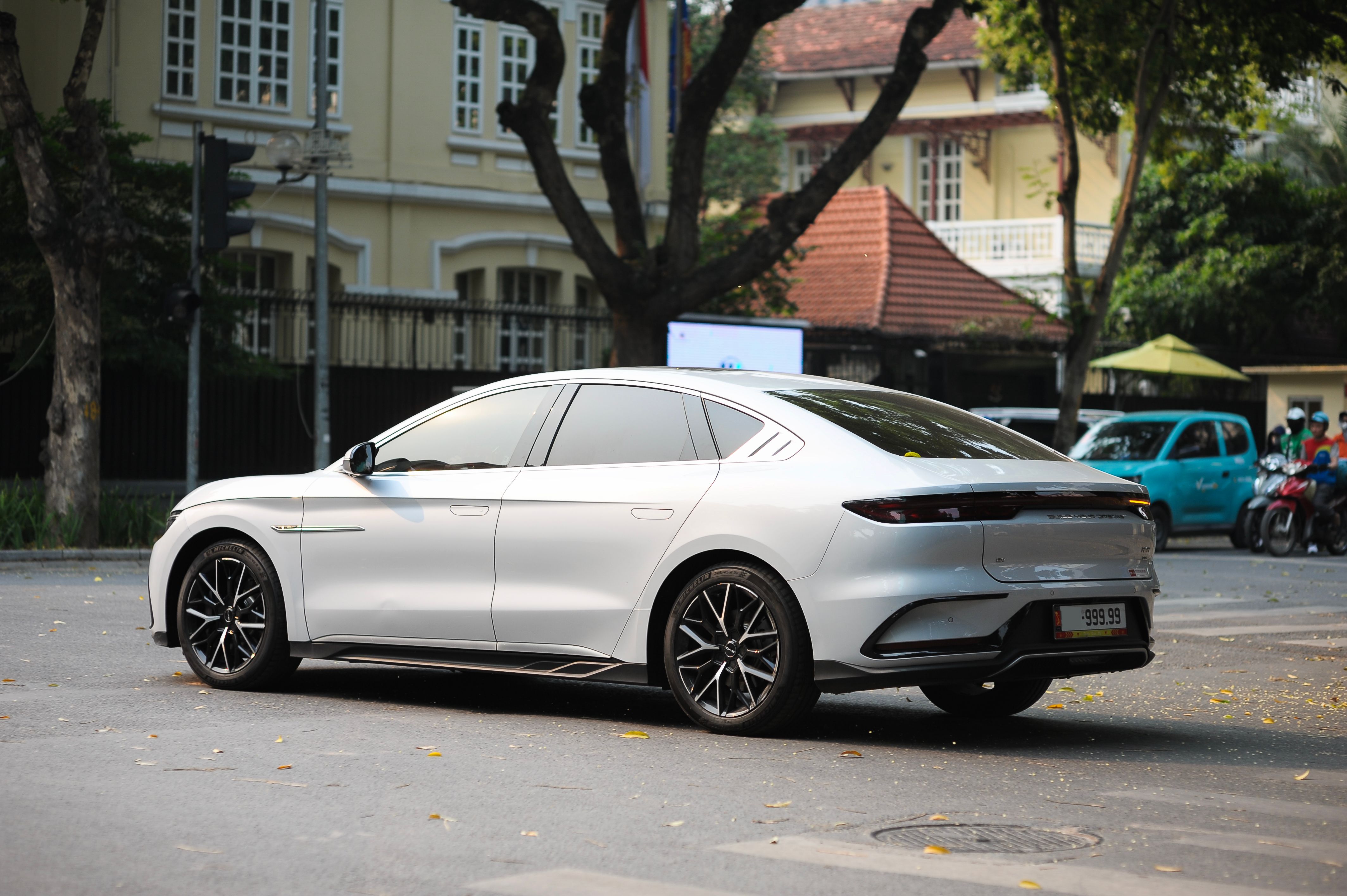
Prime Minister Mark Carney was caught on a hot microphone at the G7 Summit in Évian-les-Bains, France, pitching Canada’s plan to import up to 49,000 Chinese electric vehicles to U.S. President Donald Trump. The conversation occurred on Tuesday before a working lunch, where Carney emphasized that the imports would cap at less than three per cent of the Canadian market. Trump initially responded positively to the cap, stating, "That’s good, I like it," before later expressing concern that Canada should not become a "drop-off port" for Chinese vehicles entering the United States. The deal is part of a broader economic and strategic partnership that includes a tariff quota agreement, secured in exchange for lowered Chinese tariffs on Canadian canola and seafood exports. While more than 2,900 Chinese EVs have already entered Canada under this arrangement, the Canadian Vehicle Manufacturers Association has urged the government to scrap the deal, fearing harm to the North American auto industry. The government has stated that in five years, more than 50 per cent of these vehicles will have an import price of less than $35,000.
Why It Matters
This exchange highlights the tangible costs of Canada’s diplomatic pivot toward China, specifically the concession of market access for electric vehicles in exchange for agricultural export benefits. The cap of 49,000 vehicles represents a strategic attempt to lower consumer prices, with the government projecting that the majority of these imports will cost under $35,000 within five years. However, the deal has triggered immediate pushback from U.S. leadership and domestic industry groups, who view the influx of subsidized Chinese EVs as a threat to North American manufacturing integrity. The situation underscores the fragility of trade agreements involving Chinese technology, particularly regarding national security and data privacy concerns that have led to legislative efforts in the U.S. to block such vehicles entirely.
Local Vancouver / Burnaby Context
For Metro Vancouver residents, the influx of affordable Chinese EVs could significantly impact the local automotive market, which is already sensitive to price fluctuations and supply chain dynamics. The promise of vehicles under $35,000 may accelerate the transition to electric mobility in British Columbia, potentially easing range anxiety and cost barriers for buyers in the Greater Vancouver area. However, the political fallout from the G7 summit introduces uncertainty for the local auto sector, which relies on stable North American trade relations. The opposition from the Canadian Vehicle Manufacturers Association, representing major players like Ford, General Motors, and Stellantis, reflects broader industry anxieties about maintaining a cohesive North American supply chain amidst growing geopolitical tensions. Additionally, privacy concerns raised by the federal government regarding data access by the Chinese government add a layer of complexity for consumers considering these vehicles, as digital security becomes a key factor in automotive purchasing decisions.
Market Impact
The introduction of 49,000 Chinese EVs at lower tariff rates is likely to increase competition in the Canadian electric vehicle market, potentially driving down prices for consumers. This could lead to a shift in market share away from traditional North American manufacturers, particularly if the government’s goal of having over 50 per cent of these vehicles priced under $35,000 is achieved. For the broader automotive industry, the deal may pressure existing manufacturers to reduce costs or innovate faster to remain competitive. The political tension with the U.S. could also result in retaliatory measures, such as new tariffs, which might disrupt cross-border trade and affect the supply chain for vehicles and parts in Canada.
Investor / Buyer Takeaway
- Buyers may benefit from increased competition and lower prices for electric vehicles, particularly if the government’s target of sub-$35,000 pricing is met.
- Investors in the automotive sector should monitor the political fallout from the G7 summit, as potential U.S. tariffs could impact the stability of North American trade agreements.
- Consumers should consider the privacy implications of Chinese EVs, as federal warnings highlight potential risks related to data access by the Chinese government.
- Agricultural exporters may see benefits from the lowered Chinese tariffs on canola and seafood, providing a counterbalance to the automotive industry's concerns.
- The deal’s success will depend on maintaining a cap of less than three per cent of the Canadian market, which could limit the immediate impact on traditional automakers.
Builder / Developer Perspective
The deal’s primary impact is on the automotive sector rather than real estate development, but the broader economic implications could influence local markets. The opposition from the Canadian Vehicle Manufacturers Association suggests that traditional automakers may face increased pressure to adapt to a more competitive landscape, potentially affecting their investment in North American manufacturing facilities. For developers, the shift in trade dynamics could influence the availability and cost of materials and components, particularly if U.S. tariffs are imposed. Additionally, the focus on affordable EVs may drive demand for charging infrastructure and related real estate developments, particularly in urban centers like Vancouver and Burnaby.
Risk Factors
- Potential U.S. tariffs on Canadian goods in response to the EV deal, which could disrupt trade and increase costs for Canadian exporters.
- National security concerns regarding Chinese EV technology and data privacy, which may lead to further regulatory restrictions or consumer hesitation.
- Industry pushback from the Canadian Vehicle Manufacturers Association, which could result in political pressure to alter or scrap the deal.
- Volatility in the automotive market due to the influx of subsidized Chinese EVs, potentially impacting the profitability of North American manufacturers.
- Geopolitical tensions between Canada, the U.S., and China, which could affect broader economic relations and investment flows.
BurnabyHouse Insight
The G7 hot mic moment exposes the delicate balancing act Canada faces in its trade policy: leveraging diplomatic ties with China to secure agricultural benefits while managing the geopolitical risks of integrating Chinese technology into the North American market. For Metro Vancouver, the arrival of affordable Chinese EVs could reshape the local automotive landscape, offering consumers more choices but also introducing new uncertainties regarding data privacy and trade stability. The political fallout from the summit underscores the interconnectedness of global trade and local economic outcomes, reminding stakeholders that policy decisions made on the international stage can have immediate and tangible effects on domestic industries and consumer behavior.
Community
Questions, Answers & Comments
Ask a question, add context, or leave a comment. Public posts appear after review.
No public questions or comments yet. Be the first to ask.