Canada's First 700-Bar Commercial Hydrogen Station Opens in South Delta
Key Takeaways
- What happened
- Canada's First 700-Bar Commercial Hydrogen Station Opens in South Delta.. HTEC has opened Canada’s first 700-bar commercial heavy-duty hydrogen refueling station in South Delta, British Columbia, located on Tsawwassen First Nation industrial lands at the Chevron Commercial Cardlock.
- Location
- The station is located on Tsawwassen First Nation industrial lands at the Chevron Commercial Cardlock in Tsawwassen, British Columbia.
- Key points
-
- The opening of this station addresses a critical infrastructure gap for heavy-duty freight,…
- HTEC opened Canada's first 700-bar commercial heavy-duty hydrogen refueling station on…
- Canada’s first 700-bar commercial heavy-duty hydrogen fuelling station has opened in South…
- Local impact
- The station's location in South Delta places it within the Metro Vancouver region, a key hub for freight and logistics in British Columbia. The Tsawwassen First Nation's involvement in the industrial lands reflects the growing role of Indigenous communities in the province's clean energy transition. For Metro Vancouver buyers, sellers, developers and investors, watch financing cost, transaction pace, supply mix and policy expectations.
- Who should watch
- ['Freight carriers and logistics companies should monitor the expansion of hydrogen infrastructure in British Columbia and Alberta for future operational opportunities.', 'Investors in hydrogen fuel cell trucks may find reduced risk due to…
Generating audio…



What Happened
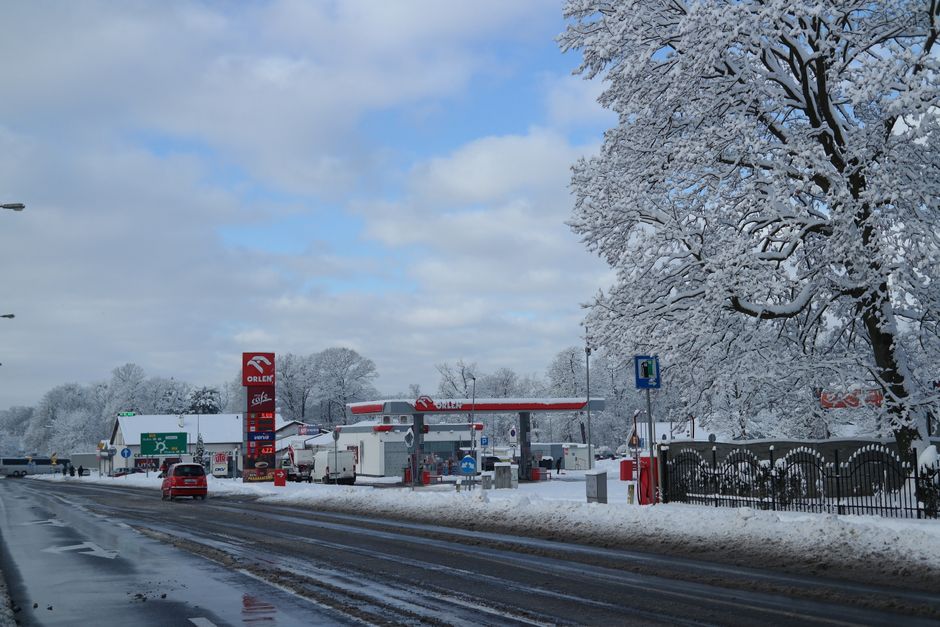
HTEC has opened Canada’s first 700-bar commercial heavy-duty hydrogen refueling station in South Delta, British Columbia, located on Tsawwassen First Nation industrial lands at the Chevron Commercial Cardlock. The facility marks a significant step in decarbonizing heavy-duty transport, a sector widely considered difficult to electrify. The station is designed to support an initial deployment of 12 Class 7 and 8 fuel cell electric trucks. These vehicles are funded through the B.C. Hydrogen Truck Pilot Project and the B.C. Hydrogen Ports Project. The trucks will operate on drayage and regional freight routes to integrate hydrogen into daily fleet operations. Adrian Dix, British Columbia’s Minister of Energy and Climate Solutions, praised the launch as a milestone for the province’s clean energy goals. The station also supports the continued build-out of HTEC’s Metro Vancouver hydrogen infrastructure. Industrial gas manufacturer Air Products and Chemicals announced plans to build a network of hydrogen refueling stations across Canada. The planned network will stretch from Edmonton to Calgary in Alberta. Air Products currently operates three hydrogen production facilities and a 55-kilometer pipeline in Alberta. The company also operates a hydrogen production facility, a 30-kilometer pipeline network, and a liquefaction facility in Sarnia, Ontario. Air Products expects its first permanent refueling station to be operational in 2025.
Why It Matters
The opening of this station addresses a critical infrastructure gap for heavy-duty freight, which is one of Canada’s most challenging sectors to decarbonize. By providing a high-pressure (700-bar) refueling option, the facility enables commercial carriers to transition from diesel to zero-emission hydrogen fuel. This transition is essential for meeting provincial and national climate targets while maintaining the efficiency required for drayage and regional logistics. The involvement of major industrial players like Air Products signals growing confidence in hydrogen as a viable fuel source for heavy transport. The station's location on Tsawwassen First Nation industrial lands highlights the role of Indigenous partnerships in developing clean energy infrastructure. The integration of hydrogen into day-to-day fleet operations demonstrates a practical application of the technology beyond pilot testing. This move supports the broader goal of managing intermittent renewable energy supplies by absorbing excess power into hydrogen production. The expansion plans into Alberta indicate a coordinated national effort to build a hydrogen economy. The presence of existing production and pipeline infrastructure in Alberta and Ontario provides a foundation for future station networks. The support from provincial funding through the B.C. Hydrogen Truck and Ports Projects underscores the government's commitment to this transition. The station's operation will serve as a real-world test case for the reliability and cost-effectiveness of hydrogen fuel cell trucks. Success in this sector could accelerate adoption across other heavy-duty industries. The milestone also reflects the increasing collaboration between private industry and government to solve complex environmental challenges. The focus on Class 7 and 8 trucks targets the highest-emitting vehicles on the road. This strategic focus maximizes the environmental impact of the initial hydrogen infrastructure investment. The station's capacity to support 12 trucks provides a baseline for future scaling. The integration of hydrogen into regional freight routes demonstrates the technology's applicability to existing supply chains. The announcement by Air Products highlights the global industrial gas sector's pivot toward hydrogen infrastructure. The planned network in Alberta will serve commercial and municipal trucks, as well as light-duty vehicles. This multi-sector approach ensures a diverse customer base for the new infrastructure. The expectation of operational status in 2025 sets a clear timeline for the next phase of development. The station's opening is a tangible result of years of planning and investment in hydrogen technology. The involvement of the Tsawwassen First Nation underscores the importance of land access and partnership in infrastructure development. The station's location at the Chevron Commercial Cardlock provides strategic access to major freight corridors. The use of fuel cell electric trucks offers a zero-emission alternative to diesel engines. The support from the B.C. Hydrogen Truck Pilot Project ensures that the initial fleet is financially viable. The B.C. Hydrogen Ports Project connection highlights the potential for port-related decarbonization. The station's 700-bar capacity is standard for heavy-duty hydrogen vehicles, ensuring compatibility with current truck models. The opening marks a shift from theoretical hydrogen potential to practical application. The involvement of Adrian Dix emphasizes the political importance of this milestone. The station's operation will provide valuable data on hydrogen fuel performance in real-world conditions. The expansion plans into Alberta indicate a national strategy for hydrogen adoption. The existing infrastructure in Sarnia and Alberta provides a supply chain advantage for future stations. The focus on heavy-duty transport addresses a key bottleneck in the transition to clean energy. The station's opening is a significant step toward a low-carbon economy in British Columbia and beyond.
Local Vancouver / Burnaby Context
The station's location in South Delta places it within the Metro Vancouver region, a key hub for freight and logistics in British Columbia. The Tsawwassen First Nation's involvement in the industrial lands reflects the growing role of Indigenous communities in the province's clean energy transition. The Chevron Commercial Cardlock is a strategic site for commercial vehicles due to its proximity to major highways and the port. The B.C. Hydrogen Truck Pilot Project and B.C. Hydrogen Ports Project are provincial initiatives aimed at reducing emissions in the transportation sector. These projects provide funding and support for the development of hydrogen infrastructure and the adoption of hydrogen fuel cell vehicles. The focus on drayage and regional freight routes is critical for the region's economy, as these activities generate significant emissions. The integration of hydrogen into these routes demonstrates a practical approach to decarbonization that does not disrupt existing supply chains. The presence of major industrial players like Air Products in the region highlights the area's potential as a center for hydrogen production and distribution. The existing hydrogen infrastructure in Alberta and Ontario provides a model for future development in British Columbia. The station's opening is part of a broader trend of investing in clean energy infrastructure to meet climate goals. The involvement of the provincial government underscores the political support for this transition. The station's location on First Nation lands highlights the importance of partnership and reconciliation in infrastructure development. The focus on Class 7 and 8 trucks targets the highest-emitting vehicles, maximizing the environmental benefit. The station's capacity to support 12 trucks provides a baseline for future scaling. The integration of hydrogen into regional freight routes demonstrates the technology's applicability to existing supply chains. The announcement by Air Products highlights the global industrial gas sector's pivot toward hydrogen infrastructure. The planned network in Alberta will serve commercial and municipal trucks, as well as light-duty vehicles. This multi-sector approach ensures a diverse customer base for the new infrastructure. The expectation of operational status in 2025 sets a clear timeline for the next phase of development. The station's opening is a tangible result of years of planning and investment in hydrogen technology. The involvement of the Tsawwassen First Nation underscores the importance of land access and partnership in infrastructure development. The station's location at the Chevron Commercial Cardlock provides strategic access to major freight corridors. The use of fuel cell electric trucks offers a zero-emission alternative to diesel engines. The support from the B.C. Hydrogen Truck Pilot Project ensures that the initial fleet is financially viable. The B.C. Hydrogen Ports Project connection highlights the potential for port-related decarbonization. The station's 700-bar capacity is standard for heavy-duty hydrogen vehicles, ensuring compatibility with current truck models. The opening marks a shift from theoretical hydrogen potential to practical application. The involvement of Adrian Dix emphasizes the political importance of this milestone. The station's operation will provide valuable data on hydrogen fuel performance in real-world conditions. The expansion plans into Alberta indicate a national strategy for hydrogen adoption. The existing infrastructure in Sarnia and Alberta provides a supply chain advantage for future stations. The focus on heavy-duty transport addresses a key bottleneck in the transition to clean energy. The station's opening is a significant step toward a low-carbon economy in British Columbia and beyond.
Market Impact
The opening of the station provides a critical infrastructure asset for freight carriers looking to transition to zero-emission vehicles. This reduces the risk for companies investing in hydrogen fuel cell trucks by ensuring fuel availability. The presence of a 700-bar station ensures compatibility with current heavy-duty truck models. The support from provincial funding makes the initial deployment of 12 trucks financially viable. This reduces the barrier to entry for smaller carriers who may not have the capital to build their own infrastructure. The station's location in South Delta provides strategic access to major freight corridors, enhancing its utility. The integration of hydrogen into drayage and regional routes demonstrates the technology's practicality for existing supply chains. The expansion plans into Alberta indicate a growing market for hydrogen infrastructure across Canada. The involvement of major industrial players like Air Products signals confidence in the long-term viability of hydrogen. The focus on heavy-duty transport addresses a key bottleneck in the transition to clean energy. The station's opening is a significant step toward a low-carbon economy in British Columbia and beyond.
Investor / Buyer Takeaway
- Freight carriers and logistics companies should monitor the expansion of hydrogen infrastructure in British Columbia and Alberta for future operational opportunities.
- Investors in hydrogen fuel cell trucks may find reduced risk due to the availability of refueling stations and provincial funding support.
- Companies involved in the B.C. Hydrogen Truck Pilot Project and B.C. Hydrogen Ports Project should track the performance data from the initial 12-truck deployment.
- Real estate investors should note the strategic importance of industrial lands near major freight corridors for future hydrogen infrastructure.
- Stakeholders in the clean energy sector should watch for further announcements from Air Products and HTEC regarding network expansion.
Builder / Developer Perspective
The opening of the station demonstrates the feasibility of building hydrogen infrastructure on industrial lands, including those on First Nation territories. The collaboration between HTEC and the Tsawwassen First Nation provides a model for future partnerships. The use of the Chevron Commercial Cardlock site highlights the importance of existing commercial infrastructure for new energy facilities. The station's 700-bar capacity requires specialized engineering and safety protocols, which may influence future construction standards. The support from provincial funding reduces the financial risk for developers of hydrogen infrastructure. The focus on heavy-duty transport addresses a key bottleneck in the transition to clean energy. The station's opening is a significant step toward a low-carbon economy in British Columbia and beyond.
Risk Factors
- Hydrogen fuel cell technology is still emerging, and long-term reliability and maintenance costs may be higher than expected.
- The expansion of hydrogen infrastructure depends on continued provincial and federal funding, which may be subject to political changes.
- The availability of hydrogen fuel may be limited in the short term, affecting the operational viability of the initial fleet.
- Safety concerns related to high-pressure hydrogen storage and distribution may lead to regulatory hurdles or public opposition.
- The economic viability of hydrogen fuel cell trucks compared to diesel or battery-electric alternatives remains uncertain.
BurnabyHouse Insight
The opening of Canada’s first 700-bar commercial heavy-duty hydrogen refueling station in South Delta marks a pivotal moment for the province's clean energy strategy. By targeting the heavy-duty freight sector, which is notoriously difficult to decarbonize, British Columbia is addressing one of its largest sources of emissions. The involvement of the Tsawwassen First Nation and the strategic location at the Chevron Commercial Cardlock highlight the importance of partnership and infrastructure in this transition. The support from the B.C. Hydrogen Truck Pilot Project and B.C. Hydrogen Ports Project underscores the government's commitment to making hydrogen a viable alternative to diesel. The expansion plans by Air Products into Alberta signal a growing national market for hydrogen infrastructure. This development provides a practical model for other regions looking to decarbonize their freight sectors. The focus on Class 7 and 8 trucks maximizes the environmental impact of the initial investment. The station's operation will provide valuable data on the performance and cost-effectiveness of hydrogen fuel cell trucks in real-world conditions. This milestone is a significant step toward a low-carbon economy in British Columbia and beyond.
Community
Questions, Answers & Comments
Ask a question, add context, or leave a comment. Public posts appear after review.
No public questions or comments yet. Be the first to ask.