Canfor Closes Northwood Pulp Mill in Prince George, Cutting 300 Jobs
Key Takeaways
- What happened
- Canfor announced on Tuesday the permanent closure of its Northwood pulp mill in Prince George, B.C., a decision that will eliminate approximately 300 jobs.
- Location
- Global markets / U.S. (indirect for Metro Vancouver)
- Key points
-
- The closure of the Northwood pulp mill represents a tangible loss of industrial capacity and…
- Canfor announced the closure of Northwood pulp mill on Tuesday.
- The closure will impact roughly 300 jobs.
- Local impact
- While this story centers on Prince George, the broader implications for British Columbia's resource sector are significant. Prince George has long been a critical node in the province's forestry industry, and closures like this contribute to the ongoing restructuring of the sector. For Metro Vancouver buyers, sellers, developers and investors, watch financing cost, transaction pace, supply mix and policy expectations.
- Who should watch
- ['Monitor broader B.C.



What Happened
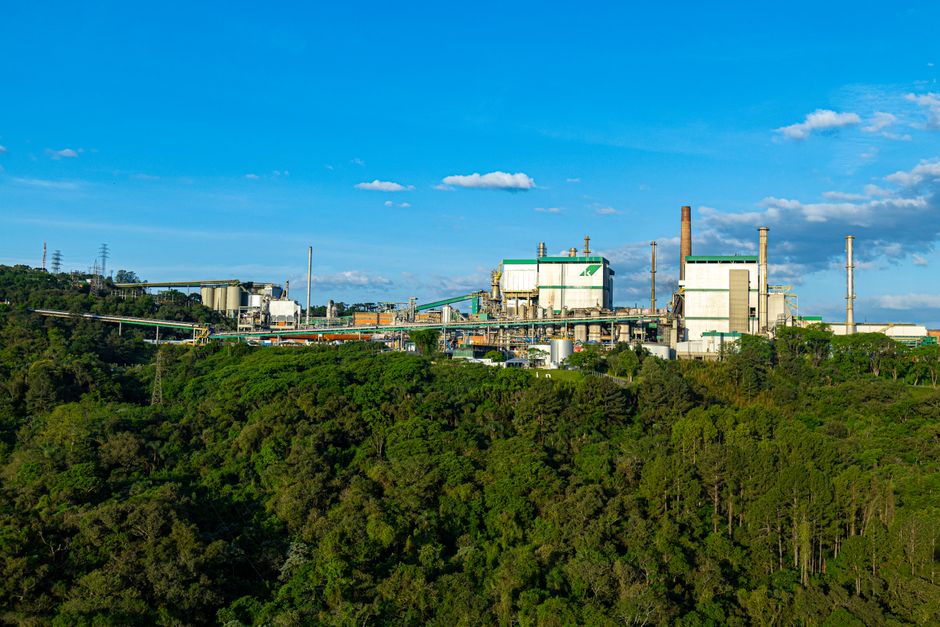
Canfor announced on Tuesday the permanent closure of its Northwood pulp mill in Prince George, B.C., a decision that will eliminate approximately 300 jobs. The forestry giant cited unsustainable financial losses and a structural shift in global pulp markets as the primary drivers for the shutdown. Substantial new pulp production capacity coming online worldwide has created a significant oversupply, placing downward pressure on global pulp prices. Canfor stated there is no foreseeable improvement in the market outlook, making the difficult decision to cease operations at the facility. The mill, which produces about 300,000 tonnes of Northern Bleached Softwood Kraft (NBSK) annually, follows a series of recent curtailments at other Canfor sites including Houston and Bear Lake. This latest closure marks another significant contraction for the local forestry sector in Prince George.
Why It Matters
The closure of the Northwood pulp mill represents a tangible loss of industrial capacity and employment in a key B.C. forestry hub. For the local economy, the loss of 300 direct jobs ripples through the supply chain, affecting couriers, foresters, loggers, and truckers who rely on the mill's operations. The decision underscores the severe challenges facing the pulp and paper sector, driven by global oversupply and shifting market dynamics. This contraction highlights the vulnerability of traditional resource-based industries to international market forces and the difficulty of maintaining profitability in a saturated global market.
Local Vancouver / Burnaby Context
While this story centers on Prince George, the broader implications for British Columbia's resource sector are significant. Prince George has long been a critical node in the province's forestry industry, and closures like this contribute to the ongoing restructuring of the sector. For Greater Vancouver and Burnaby, the impact is more indirect, relating to the province's overall economic health and the stability of its resource-based communities. The shift away from pulp production reflects global market trends rather than local policy changes in Burnaby or Vancouver. However, the economic pressure on forestry towns can influence migration patterns and regional economic disparities within the province. BurnabyHouse local context notes that while commercial developments like Oakridge Park Mall reshape Vancouver's retail landscape, the underlying industrial base remains a critical component of the provincial economy. The resilience of the broader B.C. economy, including its ability to absorb shocks from resource sector contractions, is a key factor for long-term market stability.
Market Impact
The direct impact on the Greater Vancouver and Burnaby real estate market is limited, as the mill is located in Prince George. However, broader economic uncertainty in B.C.'s resource sector can influence regional sentiment and investment flows. Potential indirect effects include changes in migration patterns if workers relocate to other parts of the province or country. The closure also signals continued volatility in the global commodities market, which can affect investor confidence in resource-dependent regions.
Investor / Buyer Takeaway
Monitor broader B.C. economic indicators for signs of labor market shifts or migration patterns from resource towns. - Recognize that global commodity oversupply can impact provincial economic stability, even if not directly tied to local housing. - Consider the long-term economic diversification of communities like Prince George as a factor in regional investment strategies. - Stay informed about provincial policy responses to resource sector challenges, which may indirectly affect housing affordability and supply. - Avoid overreacting to single industrial closures in distant regions as immediate indicators of local housing market trends.
Builder / Developer Perspective
For builders and developers in Greater Vancouver, this news highlights the ongoing challenges in the global resource sector, which can influence material costs and economic sentiment. However, the direct impact on local development feasibility, permitting, or construction costs is minimal. The focus remains on local housing demand, zoning regulations, and financing conditions.
Risk Factors
Economic uncertainty in resource-dependent regions may influence provincial economic indicators. - Potential shifts in labor migration patterns could affect regional housing demand. - Global commodity market volatility may impact investor confidence in B.C. resources. - Provincial policy responses to resource sector challenges could indirectly affect housing markets. - Long-term economic diversification of forestry towns remains a key risk factor for regional stability.
BurnabyHouse Insight
The closure of Canfor's Northwood pulp mill is a stark reminder of the pressures facing B.C.'s traditional industries. While the direct impact on Burnaby and Vancouver's housing market is limited, the broader economic implications for the province are significant. As global markets shift and oversupply persists, resource-dependent communities face ongoing challenges. For local real estate professionals, it is crucial to distinguish between direct local market drivers and broader economic trends. The resilience of the Greater Vancouver market will continue to depend on local factors such as housing supply, immigration policies, and financial conditions, rather than distant industrial closures. However, the health of the provincial economy remains a foundational element for long-term real estate stability.
Community
Questions, Answers & Comments
Ask a question, add context, or leave a comment. Public posts appear after review.
No public questions or comments yet. Be the first to ask.